

 Français
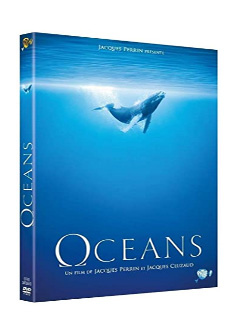
Oceans
Synopsis
Oceans is a breathtaking and visually magnificent nature documentary directed by Jacques Perrin and Jacques Cluzaud that plunges viewers deep into the uncharted waters of the globe. Traveling across every ocean on Earth, the film explores the astonishing diversity of marine life, from microscopic organisms to majestic whales and sharks. Utilizing revolutionary underwater camera technology developed specifically for the project, the directors capture intimate, awe-inspiring behaviors of creatures in their natural habitats. At the same time, the documentary serves as a poignant ecological reminder of humanity's profound impact on fragile aquatic ecosystems.
The Making of the Film
Directors Jacques Perrin and Jacques Cluzaud spent years conceptualizing the massive documentary project following the international success of their previous film 'Winged Migration'. The production required over four years of actual filming across more fifty underwater locations worldwide, utilizing custom-built, high-tech submersibles and camera housing rigs capable of swimming alongside fast marine animals. The filmmakers collaborated with marine biologists, oceanographers, and specialized diving crews to capture rare and unprecedented marine footage. Disneynature backed the North American release, bringing the ecological message to millions of global viewers.
Critical Reception
Professional critics greeted the film with widespread critical acclaim, praising its breathtaking cinematography, hypnotic musical score, and urgent environmental message. Reviewers highlighted the revolutionary underwater camera techniques that allowed audiences to swim alongside dolphins and great white sharks with astonishing clarity. Critics commended the directors for avoiding overly preachy narration, opting instead for a poetic, visual-driven cinematic meditation on the beauty and fragility of marine life. It was hailed as a masterpiece of nature documentary filmmaking.
Audiences responded with warm enthusiasm and strong box office returns, appreciating the majestic visual spectacle and emotional resonance of the underwater world. Viewers of all ages were captivated by the playful dolphins, massive whales, and the striking ecological warnings regarding overfishing and pollution. Word-of-mouth recommendations sustained its popularity on home video and streaming platforms worldwide.
The film earned numerous prestigious awards, including a César Award for Best Documentary Film, cementing its legacy as an ecological landmark in cinema.
Behind-the-Scenes Stories
Directors Jacques Perrin and Jacques Cluzaud drew inspiration from marine conservation efforts, Jacques Cousteau documentaries, and a desire to reveal the hidden wonders of the deep ocean. Coordinating the high-tech underwater filming required custom-designed camera submersibles that could operate silently alongside easily startled marine creatures without disrupting their natural behavior. During the filming of fast-moving open-ocean sequences with tuna and sharks, specialized scuba diving camera operators underwent rigorous physical training. Before principal photography began, the crew spent months testing prototype camera rigs in various oceanic conditions.
Themes Explored
Marine Life, Ecosystems, Ecology, Ocean Conservation, Nature, Beauty
Ending Explained
The poignant final scenes highlight the urgent need for global ocean conservation, reminding viewers that protecting marine ecosystems is vital for the future survival of our planet.
Meaning of the Title
The title simply and powerfully names the vast, interconnected global waters that cover the majority of the Earth's surface, framing the documentary's worldwide scope.
Original Soundtrack
Bruno Coulais composed a magnificent, sweeping orchestral score featuring soaring choral arrangements that matched the majestic and mysterious rhythm of the deep sea.
Winged Migration, Planet Earth, Blue Planet, March of the Penguins