

 Français
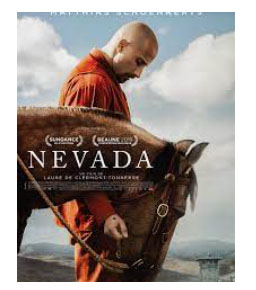
The Mustang
Synopsis
The Mustang follows Roman Coleman, a violent, emotionally volatile convict serving a lengthy prison sentence in a remote Nevada maximum-security facility who is assigned to participate in an experimental rehabilitation program centered around training wild mustangs. Initially hostile and completely closed off from human emotion, Roman is paired with an aggressive, unbroken stallion that mirrors his own fierce temper. Through patient, grueling daily training sessions, Roman develops a profound, transformative bond with the animal, learning empathy, patience, and redemption.
The Making of the Film
Directed by Laure de Clermont-Tonnerre in her feature directorial debut, the film was inspired by a genuine, successful rehabilitation program operating in American federal prisons. The inspiration stemmed from wanting to explore rehabilitation, animal therapy, and emotional breakthrough behind bars. The production utilized authentic Nevada state prison locations and stunning mustang desert holding pens.
Critical Reception
Critics universally lauded The Mustang as a powerful indie triumph, praising Matthias Schoenaerts's mesmerizing, restrained lead performance, Bruce Dern's stellar supporting turn, and Clermont-Tonnerre's empathetic direction. Reviewers highlighted the film's emotional authenticity, avoiding prison-drama clichés in favor of quiet spiritual healing. It achieved widespread critical acclaim.
Audiences embraced the movie as a deeply moving, beautifully crafted redemption drama.
The film earned numerous awards, including the Sutherland Award for Best First Feature at the London Film Festival and critical acclaim at Sundance.
Behind-the-Scenes Stories
Laure de Clermont-Tonnerre drew heavy inspiration from visiting real American prison animal-training programs and interviewing inmate horse trainers.
Working with wild, unbroken mustangs inside a maximum-security prison required expert animal wranglers and rigorous safety protocols.
During production, Matthias Schoenaerts spent weeks bonding with the horses before filming began to ensure genuine on-screen connection.
Casting Matthias Schoenaerts brought intense physical presence and emotional depth to the hardened convict role.
Themes Explored
The film explores prison rehabilitation, animal therapy, wild mustang training, emotional redemption, masculine vulnerability, and trauma recovery.
Ending Explained
The poignant conclusion shows Roman successfully releasing his trained horse into the open range while peacefully accepting his continued imprisonment with a transformed heart.
Meaning of the Title
Reference to the wild animal (The Mustang) that mirrors the protagonist's fierce spirit and serves as his catalyst for emotional redemption.
Similar films include The Rider, To Be and to Have, Cool Hand Luke, and Ordinary Justice.