

 Français
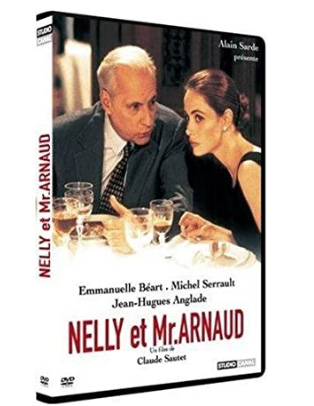
Nelly and Mr. Arnaud
Synopsis
A young Parisian woman named Nelly, struggling with mounting debts, a stagnant marriage, and dead-end administrative jobs, accepts a modest bookkeeping job offered by Monsieur Arnaud, a wealthy, aristocratic, and fiercely reserved former judge whom she met through a mutual friend. As Nelly spends her days organizing the elderly man's memoirs in his opulent apartment, an unspoken, intensely sophisticated intellectual intimacy develops between them. Despite their vast age difference and differing social backgrounds, they become each other's sole emotional confidants. When Arnaud offers Nelly a chance at a new life in London alongside a handsome publisher, unexpressed romantic feelings bubble to the surface, testing their fragile bond.
The Making of the Film
Director Claude Sautet crafted his final cinematic masterwork as a subtle, psychologically acute exploration of platonic intimacy, late-life regret, and bourgeois restraint. Producers cast French cinema royalty Michel Serrault opposite radiant young star Emmanuelle Béart, creating a mesmerizing master-and-muse dynamic. The production utilized elegant, understated Parisian apartment interiors and quiet cafés to reflect upper-middle-class isolation. Sautet collaborated with screenwriter Jacques Fieschi to ensure polished, razor-sharp dialogue defined by what remains unsaid. The film was backed by prestigious French co-production houses.
Critical Reception
Critics showered the film with universal critical acclaim, praising Claude Sautet's masterful, restrained direction and the sublime performances of Michel Serrault and Emmanuelle Béart. Reviewers lauded the film for its maturity, elegance, and profound psychological nuance in depicting an unconventional, non-sexual love affair across generations. Audiences flocked to cinemas, making it a major commercial and critical triumph in France. The film won two César Awards, including Best Director for Sautet. It stands as an absolute masterpiece of French art-house cinema.
Behind-the-Scenes Stories
Claude Sautet drew visual inspiration from classic French psychological dramas and chamber theater minimalism. Michel Serrault stepped completely away from his usual broad comedic persona to deliver a masterclass in quiet, aristocratic dignity as Monsieur Arnaud. Emmanuelle Béart brought remarkable vulnerability and quiet poise to Nelly. During filming in Paris, Sautet maintained an atmosphere of absolute focus and quiet concentration on set. The screenplay was meticulously refined over years of careful writing.
Themes Explored
The narrative explores platonic intimacy across generations, bourgeois emotional restraint, financial vulnerability, late-life regret, and pride. It examines how two lonely souls can find profound emotional salvation through intellectual companionship rather than physical romance. Furthermore, it highlights dignity.
Ending Explained
Nelly ultimately decides to travel to London alone to pursue her own independent career and life path, leaving Monsieur Arnaud behind in quiet solitude as he quietly continues his memoirs. The final cinematic shots show Arnaud accepting his dignified isolation with grace. A poignant, bittersweet sense of emotional maturity closes the film.
Meaning of the Title
The French title 'Nelly et Monsieur Arnaud' directly pairs the names of the two protagonists, emphasizing their intimate, symmetrical psychological relationship.
Other sophisticated French psychological dramas such as A Heart in Winter, The Piano Teacher, and Camille Claudel.