

 Français
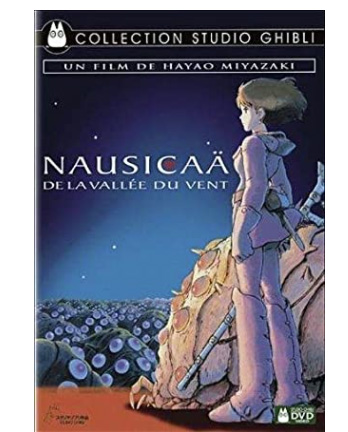
Nausicaä of the Valley of the Wind
Synopsis
In a post-apocalyptic future scarred by a cataclysmic industrial war known as the "Seven Days of Fire," human civilization struggles to survive on the fringes of a toxic, spreading jungle filled with giant mutant insects and poisonous spores. Nausicaä, the courageous and compassionate young princess of the peaceful Valley of the Wind, possesses a rare empathetic gift enabling her to communicate with the terrifying creatures of the jungle. When militaristic neighboring empires wage war using ancient doomsday technology and threaten to destroy the toxic ecosystem, Nausicaä fights to restore ecological balance between humanity and nature. The monumental animated epic masterpiece blends environmentalism with breathtaking fantasy adventure.
The Making of the Film
Writer and director Hayao Miyazaki conceived the epic project based on his own serialized manga of the same name, published in Animage magazine. The inspiration stemmed from environmental disaster concerns, Minamata disease industrial pollution history, and a fascination with flight and insect biology. The overwhelming success of the film directly led to the founding of Studio Ghibli by Miyazaki and producer Isao Takahata. The production pushed hand-drawn animation techniques to unprecedented heights, establishing Miyazaki's signature auteur cinematic style.
Critical Reception and Reviews
Professional critics widely acclaimed the film as a monumental masterpiece of animation and speculative fiction, praising its complex environmental themes, visionary world-building, and strong pacifist message. Reviewers lauded Nausicaä as one of the most powerful and compassionate heroines in cinematic history. Public reception was overwhelmingly enthusiastic, sparking a cultural phenomenon in Japan and launching the legendary careers of Miyazaki and Studio Ghibli. The film remains celebrated today as an undisputed cornerstone of global animation and environmental storytelling.
Filming Anecdotes
Director Hayao Miyazaki drew visual inspiration from post-apocalyptic literature, European aviation history, and biological ecosystems. Production was grueling as the young animation team hand-drew thousands of complex biological entities, flying machines, and toxic jungle spores without digital assistance. During the recording sessions, voice actress Shimamoto Sumi delivered an emotionally fierce and tender performance that defined Nausicaä's iconic legacy. Miyazaki personally drew the vast majority of key animation frames to ensure absolute artistic integrity.
Themes Explored
The film explores environmentalism, pacifism, human coexistence with nature, the dangers of technological hubris, and empathy.
The emotional climax sees Nausicaä sacrificing herself to calm a stampede of enraged giant insects, only to be miraculously resurrected by their golden tentacles, proving her pure love and bridging the gap between humans and nature.
Meaning of the Title
The title refers directly to the courageous princess Nausicaä and her peaceful homeland, the Valley of the Wind, which serves as the moral center of the story.
Original Soundtrack
Joe Hisaishi composed an extraordinary, groundbreaking electronic and orchestral synthesizer score that launched his legendary lifelong musical collaboration with Hayao Miyazaki.
The film remains a timeless historical milestone in animation, widely credited with laying the artistic foundation for modern anime.
Princess Mononoke, Akira, Laputa: Castle in the Sky