

 Français
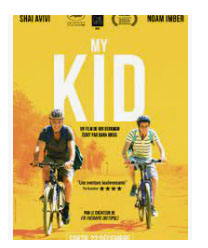
My Kid
Synopsis
This poignant, deeply moving Israeli drama film follows Aharon, an aging, devoted father who has dedicated his entire adult life to raising his autistic son Uri in a quiet routine away from the world. Now entering young adulthood, Uri needs to transition into a specialized residential care facility to live independently, a painful step that Aharon's ex-wife demands despite Aharon's fierce, desperate protests. Convinced that Uri is not ready and that they belong together, Aharon impulsively kidnaps his son and takes off on a cross-country road trip across Israel to delay the inevitable separation. It is a stunning, emotionally shattering masterpiece of paternal love.
The Making of the Film
The project originated from director Nir Bergman and writer Dana Idisis's deeply personal inspiration, drawing directly from Idisis's real-life experiences growing up with an autistic brother and witnessing her father's fierce protective devotion. Bergman sought to craft an intimate, compassionate character study exploring the agonizing boundaries of parental love, letting go, and neurodivergent caregiving without sentimentality. Inspiration was drawn from real family dynamics, Israeli landscape road journeys, and humanist cinema. The creative team aimed to produce an unforgettable emotional experience.
Critical Reception
Critics offered widespread, rapturous acclaim, praising Shai Avivi's powerhouse lead performance as the devoted father and Noam Imber's sensitive, authentic portrayal of an autistic young man. Reviewers noted that Bergman successfully avoided exploitative melodrama, instead crafting a tender, heartbreaking exploration of a father struggling to accept that his son must grow up and live his own life. The poignant road-trip dynamic across the Israeli desert received universal applause. It was selected for the prestigious Cannes Film Festival official selection.
Audience reception was deeply moved and emotionally overwhelmed, driving the film to strong international art-house success and earning multiple Israeli Academy (Ophir) Awards including Best Director, Best Screenplay, Best Actor, and Best Supporting Actor. Viewers on public platforms praised the tear-jerking emotional moments, brilliant father-son chemistry, and the complex ethical questions surrounding caregiving. Fans of international drama celebrated its supreme empathy. Word-of-mouth sustained strong global prestige.
Awards season brought major triumph, sweeping the Ophir Awards with four major wins and earning widespread international festival acclaim. Critics' associations praised the film for its stylistic brilliance and narrative authenticity. These accolades cemented its status as a premier masterpiece of modern international drama.
Behind-the-Scenes Stories
The director drew visual inspiration from Israeli desert landscape photography, intimate domestic framing, and road-movie traditions to establish a tender, melancholic aesthetic. Every roadside diner, motel room, and dusty highway was carefully chosen to reflect the quiet emotional isolation of the father and son. The production team collaborated closely with autism advocacy advisors to ensure that Uri's behavioral routines, sensory needs, and communication styles were portrayed with absolute dignity and realism. These artistic choices created an authentic art-house world.
Production presented fascinating logistical and technical hurdles, requiring lead actor Shai Avivi and young newcomer Noam Imber to build profound emotional trust during months of intensive rehearsal before shooting on the road. Nir Bergman encouraged subtle, understated performances, allowing Avivi to communicate volumes through mere glances and physical exhaustion. Furthermore, maintaining strict emotional consistency across outdoor desert locations demanded obsessive focus from the crew.
During the filming of the pivotal emotional train-station confrontation where Aharon finally realizes he must let go, Shai Avivi and Noam Imber executed their heartbreaking dialogue in continuous, gripping takes. To maintain authentic tension, Bergman utilized long, unbroken master shots. The crew utilized natural desert sunlight to accentuate the emotional mood. This rigorous dedication resulted in immortal cinematic moments.
Casting was anchored by securing veteran Israeli actor Shai Avivi, whose profound vulnerability drove the entire emotional core of the film, alongside Noam Imber delivering a breakout performance as Uri. Supporting roles featured Sharon Al Alexander and Efrat Ben Zur. This targeted casting strategy was the absolute heartbeat of the film's success.
Themes Explored
The narrative deeply explores themes of unconditional parental love, autism caregiving, and the agonizing pain of letting go of an adult child. It examines co-dependency, societal institutions, and navigating neurodivergent transitions. Additionally, it highlights fatherhood, selflessness, and the quiet sacrifices made behind closed doors. Ultimately, the film reflects on time passing, acceptance, and the true meaning of loving someone enough to set them free.
Ending Explained
Aharon finally breaks down in tears at a remote bus stop and realizes that keeping Uri with him is driven by his own fear of loneliness rather than what is best for his son, choosing willingly to hand Uri over to the care facility workers so his son can thrive among peers. In the heartbreaking final shot, Aharon watches Uri walk away toward his new independent life with a mixture of profound grief and hard-earned peace. The devastating resolution underscores the ultimate, selfless act of parental love.
Meaning of the Title
The title directly references the deep emotional bond between the protagonist and his son ("My Kid").
Similar Films
Films sharing similar neurodivergent family dynamics, autism caregiving, and poignant father-son road trips include Rain Man (1988), The Eighth Day (1996), and Father (1990).