

 Français
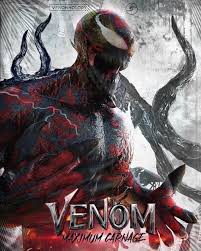
Morbius
Synopsis
Suffering from a rare and fatal blood disease, brilliant biochemist Dr. Michael Morbius desperate for a cure undertakes a dangerous experimental procedure combining human DNA with vampire bat blood. While the treatment miraculously cures his ailment, it transforms him into a powerful living vampire possessing superhuman strength, echolocation, and an insatiable thirst for blood. As he struggles to control his dark urges and synthetic blood substitutes begin failing, he must stop his surrogate brother who has embraced the vampiric powers without restraint. His terrifying scientific transformation turns the city into a hunting ground.
The Making of the Film
Director Daniel Espinosa adapted the superhero horror film from Marvel Comics' iconic antihero character Dr. Michael Morbius created by Roy Thomas and Gil Kane in 1971. The inspiration stemmed from Sony Pictures' desire to expand their shared cinematic universe focusing on Spider-Man-adjacent characters following the success of 'Venom'. The production team aimed to construct a dark, supernatural action thriller blending comic-book lore with horror aesthetics. The script underwent multiple revisions to fit the PG-13 superhero blockbuster format.
Critical and Reception
Professional critics universally panned the film upon release, criticizing its derivative script, messy editing, uninspired CGI action, and generic comic-book plotting, despite Jared Leto's committed lead performance. Audiences provided a modest box-office return while turning the film into a viral internet meme sensation across social media platforms. Reviewers noted that the movie struggled to find a cohesive tone between horror and superhero action. The movie settled into a niche as a notorious pop-culture curiosity.
Filming Anecdotes
Director Daniel Espinosa drew inspiration from classic vampire horror cinema, Marvel comic book arcs, and supernatural thrillers. Production faced intense scheduling challenges shooting on location across London and studio soundstages in Atlanta. During the chaotic subway and laboratory fight sequences, Jared Leto performed extensive wirework stunts. The studio supported keeping the film's dark supernatural tone intact.
Themes Explored
The film explores chronic illness, scientific hubris, vampirism, moral duality, and monstrous transformation. It examines how desperation for a cure can lead to catastrophic consequences. Brotherhood versus betrayal serves as the central emotional conflict. Additionally, superhero morality provides a narrative framework.
Explanation of the Ending
The narrative concludes with Dr. Morbius successfully defeating his corrupted surrogate brother in a subterranean battle, accepting his monstrous vampire nature as he embraces the night skies above New York City while the mid-credit scenes tease multiversal incursions with the Vulture. Standing on a skyscraper, he fully yields to his dark transformation. The final shots capture his shadowy figure soaring through the clouds. The resolution provides a dark, cliffhanger closure setting up future franchise crossovers.
Meaning of the Title
The title refers directly to the surname of the protagonist, Dr. Michael Morbius, establishing his personal legacy as the central antihero of the narrative. It signifies scientific identity, horror lineage, and comic-book branding. The name creates a punchy, supernatural hook for a Marvel adaptation. It captures the core persona driving the story.
There are no recent major developments or active news items regarding this film.