

 Français
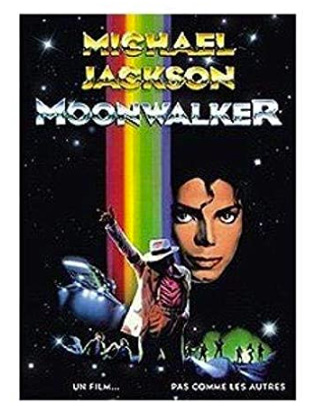
Moonwalker
Synopsis
Moonwalker is a musical fantasy film built around the music, performances and imagination of Michael Jackson. Rather than following a conventional narrative, it combines music videos, short films, fantasy sequences and spectacular musical performances. The story introduces a fictional version of Jackson as he confronts the sinister Mr. Big, a criminal figure seeking to control children through illegal drugs. Along the way, Jackson encounters three young children and becomes their protector. The film moves between reality and fantasy, transforming the singer into a heroic figure with extraordinary abilities. Its central attraction is the combination of music, dance, visual effects and imaginative storytelling.
The The Making of the Film
Moonwalker was conceived as a cinematic celebration of Michael Jackson’s music and visual imagination. The project developed during the enormous international success of his Bad album and its accompanying world tour. Rather than creating a conventional biographical film, Jackson wanted to produce an ambitious musical fantasy combining songs, short films and spectacular visual sequences. The project brought together material connected to his music videos and newly developed cinematic segments. Jerry Kramer, Colin Chilvers and Jim Blashfield were among the directors responsible for different parts of the production. The film draws on Jackson’s interest in dance, science fiction, animation and fantasy cinema. Its structure reflects the importance of music videos in the development of popular culture during the 1980s. The production also incorporates a fictional adventure in which Jackson protects children from a dangerous criminal. The character of Mr. Big provides a dramatic antagonist around whom several musical and fantasy sequences are organized. The result is an unusual hybrid between concert film, music video compilation and musical fantasy.
Critical Reception
Professional critics gave Moonwalker a mixed reception. Some appreciated its creativity, elaborate choreography and ambitious visual sequences. Michael Jackson’s performances were generally regarded as the strongest elements of the film. However, several reviewers criticized its fragmented narrative and the lack of a conventional story structure. The film was often viewed more as an extended visual music project than as a traditional feature-length movie.
The public response was strongly influenced by Michael Jackson’s extraordinary popularity. His international fan base helped make the film a significant event in the music entertainment market. The musical sequences and visual effects attracted particular interest from younger audiences. The film also developed a lasting following among fans who regard it as an important part of Jackson’s artistic legacy. Its home video release helped extend its popularity beyond its initial theatrical distribution.
Moonwalker was not a major contender at the most prestigious international film awards. Its significance is primarily cultural and musical rather than based on conventional cinematic distinctions. The film has remained recognizable because of its association with Michael Jackson’s Bad era. Its influence can also be seen in the relationship between music videos, dance and cinematic storytelling.
Filming Anecdotes
Michael Jackson was deeply involved in the creative identity of Moonwalker. The project reflects his interest in combining music with elaborate visual storytelling. Its different segments were developed with a variety of directors, giving the film a deliberately eclectic style. This structure allowed Jackson to experiment with animation, fantasy, musical performance and cinematic action within a single production.
The production includes several elaborate musical sequences requiring detailed choreography and coordination. The Smooth Criminal segment is particularly famous for its visual effects and stylized dance movements. The performers had to rehearse carefully to achieve the precision required by the choreography. The sequence also became associated with Jackson’s famous forward-leaning dance illusion.
The film features a number of visual effects designed to transform Jackson into extraordinary characters. During the final fantasy sequence, he becomes a futuristic robotic figure capable of extraordinary movements. These effects reflect the influence of science fiction and fantasy cinema on the project. They also illustrate Jackson’s ambition to create a musical experience that went beyond conventional concert footage.
The project brought together numerous performers and collaborators from the music and film industries. Sean Lennon, Kellie Parker and Brandon Quintin Adams appear in the production. The participation of young performers helps establish the adventure narrative surrounding Jackson and the fictional villain Mr. Big.
Themes Explored
Imagination and transformation are central themes of Moonwalker. Michael Jackson is presented as an artist capable of moving between ordinary reality and extraordinary fantasy. The film celebrates the power of music and dance to create alternative worlds. Childhood innocence is another important theme, particularly through the relationship between Jackson and the three young characters. The story also presents a clear conflict between creativity and exploitation through the villain Mr. Big. Friendship and protection become important elements of the adventure narrative. The film explores the relationship between celebrity and identity by presenting Jackson as both a performer and a fictional hero. Its visual sequences emphasize the importance of spectacle in modern popular culture. Technology and science fiction provide additional possibilities for transformation and escape. The production also reflects the growing influence of music videos as an independent form of cinematic expression. Ultimately, Moonwalker presents music as a universal language capable of connecting imagination, emotion and performance.
Explanation of the Ending
The final part of Moonwalker brings its fantasy narrative to a spectacular conclusion. Michael Jackson confronts Mr. Big and attempts to protect the children from the criminal organization threatening them. His transformation into a powerful futuristic figure gives the confrontation an exaggerated science fiction dimension. The conflict is resolved through a combination of action, visual effects and musical performance. Jackson ultimately defeats the villain and restores the safety of the children. The conclusion emphasizes the triumph of creativity, courage and innocence over exploitation and cruelty. Rather than providing a realistic ending, the film concludes like an elaborate musical fantasy. Its final sequences celebrate Jackson’s ability to transform entertainment into a spectacular cinematic experience.
The Meaning of the Title
The title Moonwalker refers to the distinctive dance movement popularized by Michael Jackson, in which the performer appears to walk backward while moving forward. The expression became one of the most recognizable elements of his artistic identity. It also evokes the film’s combination of movement, fantasy and extraordinary visual imagery. The title connects the production directly to Jackson’s musical persona rather than to a conventional narrative. It therefore functions as a celebration of his distinctive performance style and artistic imagination.
Original Soundtrack
The music is the central attraction of Moonwalker and features several of Michael Jackson’s best-known songs. The film includes memorable performances associated with the Bad era, including Smooth Criminal, Bad, Man in the Mirror and Leave Me Alone. The combination of pop music, elaborate choreography and visual storytelling gives the production its distinctive identity. The Smooth Criminal sequence is particularly famous for its choreography and innovative visual effects. The soundtrack also reflects Jackson’s ability to combine pop, rock and dance influences into a recognizable musical style. Its songs and performances remain among the most memorable elements of the film.
Similar films include Michael Jackson: This Is It, Thriller, The Wiz, Purple Rain, The Wall and Spice World. These productions combine music, performance and cinematic storytelling, exploring the relationship between popular music and visual spectacle.