

 Français
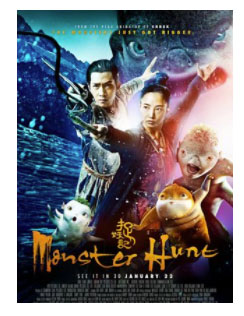
Monster Hunt
Synopsis
Monster Hunt follows Wuba, an adorable, mischievous baby prince born to the ousted monster queen in an ancient mythological fantasy realm where monsters and humans wage constant war. Disguised and smuggled into the human world to escape treacherous usurpers, Wuba is accidentally adopted by Tianyin, a clumsy village mayor who unexpectedly becomes pregnant with the creature through magical ingestion. Joined by a cunning female monster hunter, the makeshift human-monster family embarks on a hilarious, action-packed journey across ancient China to protect Wuba from rival monster hunters and royal assassins.
The Making of the Film
Directed by Raman Hui (co-director of Shrek 3), the fantasy blockbuster was conceived as a groundbreaking live-action and CGI animation co-production bridging Hollywood visual effects mastery with traditional Chinese folklore. The inspiration stemmed from Pu Songling's classic Ming dynasty supernatural tales. The production utilized advanced digital creature design, elaborate soundstages in Beijing, and high-energy martial arts choreography.
Critical Reception
Critics offered generally positive reviews, praising the film's charming creature design (especially baby Wuba), vibrant 3D world-building, and energetic blend of martial arts action and slapstick comedy. Reviewers noted that its record-breaking box-office success marked a historic milestone for Chinese commercial cinema.
Audiences embraced the movie with ecstatic enthusiasm, making it a historic box-office phenomenon across Asia.
The film shattered multiple Chinese box-office records upon release, becoming one of the highest-grossing films in Chinese cinema history.
Behind-the-Scenes Stories
Raman Hui drew heavy inspiration from classic Chinese folklore literature and Hollywood animation studio storytelling traditions.
Creating the adorable baby monster Wuba required months of iterative CGI character design and motion-reference testing.
During production, human actors performed extensive physical comedy opposite invisible tennis balls and green-screen reference markers.
Casting popular stars like Bai Baihe and Jing Boran brought massive commercial appeal to the fantasy blockbuster.
Themes Explored
The film explores monster-human coexistence, mythical folklore, unconventional family bonds, martial arts action, and slapstick comedy.
Ending Explained
The triumphant climax shows Wuba defeating the evil monster usurper and returning to rule his realm, while his human surrogate parents bid him a fond, tearful farewell.
Meaning of the Title
Reference to the professional guild of warriors (Monster Hunt) tracking creatures across ancient China.
Original Soundtrack
The original musical score features whimsical orchestral arrangements and traditional Chinese instrumental melodies that amplify the fantasy adventure.
Similar films include Journey to the West, Monster Hunt 2, The Monkey King, and Shrek.