

 Français
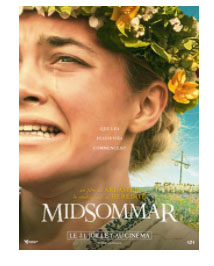
Midsommar
Synopsis
Following a horrific family tragedy that leaves a young American college student named Dani deeply traumatized and emotionally unmoored, she reluctantly joins her emotionally distant boyfriend Christian and his anthropology graduate student friends on a summer trip to a remote, idyllic rural commune in Hälsingland, Sweden, to celebrate a once-in-a-century midsummer festival. Upon arriving in the sun-drenched pastoral village bathed in eternal daylight, the American visitors are welcomed by the smiling, white-clad community members who engage in seemingly peaceful, idyllic folk traditions, ancient rituals, and ecstatic flower crown dances. However, as celebratory festivities grow increasingly bizarre, gruesome, and hypnotic, Dani and her friends realize they have walked into a terrifying pagan cult from which there is no escape. The folk horror masterpiece delivers sun-lit psychological dread and visceral terror.
The Making of the Film
Writer and director Ari Aster developed the psychological folk horror film following his breakout success with Hereditary, drawing inspiration from painful personal breakups, Swedish pagan folklore, and cinematic traditions of ancient cult rituals. The inspiration stemmed from wanting to subvert traditional dark, rainy horror tropes by setting a terrifying nightmare entirely in blinding, unending summer daylight. The production team invested heavily in custom-built Swedish commune set designs in Budapest, authentic floral wardrobe, and intricate pagan mythology research. The script was meticulously structured as a slow-burn psychological descent into liberation through cult indoctrination.
Critical Reception
Professional critics widely acclaimed the folk horror film as a modern masterwork, praising its stunning sun-drenched cinematography, brilliant atmospheric dread, and Florence Pugh's phenomenal, tour-de-force lead performance. Reviewers lauded Aster for crafting a visually arresting, deeply disturbing breakup movie disguised as a pagan horror epic. Public reception was overwhelmingly enthusiastic worldwide, turning it into a major cultural phenomenon and box-office hit for A24. The film earned widespread critical acclaim as one of the defining horror films of the decade.
Behind-the-Scenes Stories
Director Ari Aster drew visual inspiration from Swedish folk art, antique Scandinavian tapestries, and bright pastoral landscape photography. Production took place on an expansive outdoor soundstage set in Budapest, Hungary, constructing an entire Swedish village complete with painted rune murals. During the filming of intense emotional crying and ritualistic dancing sequences, lead actress Florence Pugh maintained raw psychological vulnerability. The cast endured sweltering summer heat while wearing heavy woolen garments.
Themes Explored
The themes explored include processing grief, toxic romantic relationships, pagan cult indoctrination, folk rituals, psychological liberation, and community belonging.
Ending Explained Ending Explained The cathartic, horrific climax shows Dani crowned as the May Queen, smiling serenely as her manipulative ex-boyfriend burns alive inside a sacrificial bear temple.
Meaning of the TitleMeaning of the Title The title Midsommar refers directly to the traditional Swedish midsummer festival celebrating the summer solstice that serves as the cult's ritual backdrop.
Original Soundtrack Bobby Krlic (The Haxan Cloak) composed an extraordinary, hypnotic folk-infused orchestral score featuring haunting wind instruments and eerie choral chants that anchored the sun-lit dread.
Similar Films The Wicker Man, Hereditary, Apostle