

 Français
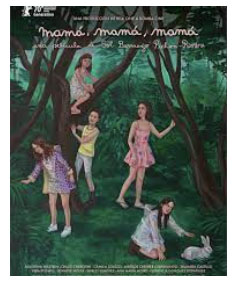
Mama, Mama, Mama
Synopsis
Mama, Mama, Mama follows Erza, a grieving 12-year-old girl spending a stifling, humid summer in an isolated countryside home in Argentina following the sudden, tragic accidental drowning of her baby sister. Surrounded by her mourning mother and extended female relatives who wander the house in a silent, ghostly daze of grief, Erza navigates the heavy psychological burden of familial loss, awakening sexuality, and childhood trauma. As heat lightning storms flash across the countryside, Erza seeks an emotional release from the suffocating maternal grief.
The Making of the Film
Written and directed by Argentine filmmaker Sol Berruezo Pichon-Riviere, the film was conceived as a delicate, atmospheric coming-of-age drama exploring maternal grief and female lineage through a child's eyes. The inspiration stemmed from wanting to portray the claustrophobic emotional atmosphere of a household dominated by grieving women during a hot summer. The production utilized authentic Argentine country estates, natural lighting, and painterly framing.
Critical Reception
Critics offered generally positive reviews, praising the film's striking painterly cinematography, immersive sensory atmosphere, and sensitive exploration of childhood grief. Reviewers highlighted Pichon-Riviere's delicate directorial touch, capturing the quiet psychological nuances of mourning without melodrama. The atmospheric tone received praise.
Audiences who enjoy slow-burn art-house dramas appreciated the movie's poetic visual style.
The film earned recognition across international film festivals for its bold arthouse direction and cinematography.
Behind-the-Scenes Stories
Sol Berruezo Pichon-Riviere drew heavy inspiration from personal family memories, Argentine summer heat, and female-centric literary traditions.
Shooting in a single isolated country estate during intense summer heat required intimate crew coordination and sensory design.
During production, young lead actress Sofía Palomino maintained remarkable emotional poise to portray the grieving child.
Casting an all-female ensemble brought absolute intimacy to the domestic tragedy.
Themes Explored
The film explores childhood grief, maternal mourning, female lineage, summer isolation, awakening sexuality, and domestic tragedy in Argentina.
Ending Explained
The poetic climax shows Erza finding a moment of cathartic release during a summer thunderstorm, shedding her heavy grief and embracing her own growing up.
Meaning of the Title
Reference to the child's repeated, desperate cries (Mama, Mama, Mama) echoing through the grieving household.
Similar films include The Spirit of the Beehive, The Headless Woman, The Milk of Sorrow, and Picnic at Hanging Rock.