

 Français
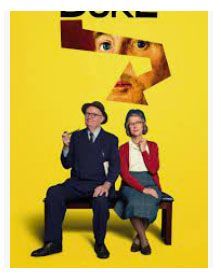
The Duke
Synopsis
The Duke follows Kenton Bunton, a 60-year-old retired taxi driver and amateur playwright living in working-class Newcastle in 1961 who pulls off an unbelievable heist: stealing Francisco Goya's priceless portrait of the Duke of Wellington from London's National Gallery. Instead of keeping the painting for ransom or profit, Kenton sends ransom notes demanding that the British government spend the money on providing free television licenses for elderly pensioners and war veterans. As police hunt the polite art thief across Britain, Kenton's crusade captivates the public.
The Making of the Film
Directed by Roger Michell and written by Richard Bean and Clive Coleman, the British biographical comedy-drama was based on the true-life 1961 National Gallery art heist. The inspiration stemmed from celebrating an ordinary working-class hero who fought against institutional indifference with wit and charm. The production utilized authentic Newcastle locations, 1960s London period set design, and stellar performances by Jim Broadbent and Helen Mirren.
Critical Reception
Critics universally lauded The Duke as a delightful, crowd-pleasing British comedy masterwork, praising Jim Broadbent and Helen Mirren's sparkling lead chemistry and Michell's warm, humanist direction. Reviewers highlighted the film's sharp social commentary on elderly poverty wrapped in a charming, feel-good heist narrative. It achieved widespread critical acclaim.
Audiences embraced the movie as a deeply heartwarming, humorous cinematic treat.
The film earned numerous British Independent Film Award nominations and critical praise as Roger Michell's final completed feature film.
Behind-the-Scenes Stories
Roger Michell drew heavy inspiration from historical news archives of the 1961 Goya art theft and Kenton Bunton's quirky life.
Recreating 1960s London galleries and Newcastle working-class homes required meticulous period wardrobe and prop styling.
During production, Jim Broadbent brought lovable charm and moral dignity to the eccentric pensioner role.
Casting British royalty Jim Broadbent and Helen Mirren brought unmatched warmth and comedic timing to the biographical film.
Themes Explored
The film explores true-crime art heists, working-class activism, elderly poverty, television licenses, British humor, and family loyalty.
Ending Explained
The heartwarming climax reveals that Kenton's son actually hid the painting in a wardrobe all along; Kenton turns himself in and is acquitted by a sympathetic jury.
Meaning of the Title
Reference to the stolen artwork (The Duke) depicting the Duke of Wellington that sparks the pensioner art heist.
Original Soundtrack
The original musical score features cheerful 1960s brass and swinging orchestral melodies that capture the upbeat British comedy tone.
Similar films include The Lady in the Van, Fisherman's Friends, Catch Me If You Can, and Saving Grace.