

 Français
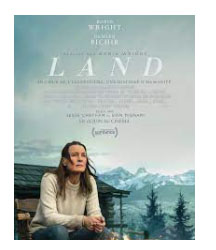
Land
Synopsis
This poignant, stirring drama follows Edee, a grief-stricken woman who, consumed by profound personal tragedy, decides to retreat entirely from human society and isolate herself in a remote, rugged cabin in the Wyoming wilderness. Unprepared for the harsh elements and brutal winter weather, she nearly perishes before being rescued and nursed back to health by a compassionate local hunter named Miguel. As Miguel teaches her essential survival skills, an unlikely, healing friendship develops between the two wounded souls. It is a breathtaking cinematic meditation on grief, resilience, and the restorative power of nature.
The Making of the Film
The project originated from producer Allyn Stewart and writer Jesse Chatham's desire to craft a powerful story about human survival, trauma, and healing through isolation in the American wilderness. Actress Robin Wright, stepping behind the camera for her feature-length narrative directorial debut, was immediately drawn to the script's themes of grief and emotional recovery. Filmmakers sought to capture the intimidating beauty and unforgiving harshness of high-altitude mountain environments. Inspiration was drawn from classic survival memoirs, wilderness photography, and character-driven psychological dramas. The creative team aimed to produce a deeply moving cinematic journey.
Critical Reception
Critics offered generally favorable reviews, praising Robin Wright's sensitive direction, her commanding lead performance, and the breathtaking cinematography of the Alberta wilderness. Reviewers noted that the film successfully avoided melodramatic clichés, instead offering a quiet, contemplative exploration of profound loss and recovery. The authentic chemistry between Wright and co-star Demián Bichir received universal praise for grounding the emotional narrative. While some found the pacing deliberately slow, its emotional sincerity won over viewers.
Audience reception was warm, driving the film to steady appreciation through home video and streaming platforms during its post-pandemic release window. Viewers on public platforms praised the stunning mountain scenery, comforting healing arc, and quiet inspirational tone. Fans of intimate character dramas celebrated its meditative focus on resilience. Word-of-mouth sustained solid popularity among indie film enthusiasts.
Awards season brought notable recognition at independent film ceremonies, honoring Robin Wright for her directorial achievement and the film's striking cinematography. Critics' associations praised the production for its authentic portrayal of wilderness survival. These accolades cemented its status as a respected, beautiful entry in modern drama.
Behind-the-Scenes Stories
The director drew visual inspiration from classic landscape paintings, wilderness documentaries, and naturalistic photography to establish a breathtaking, immersive aesthetic. Every shot of the remote mountain cabin and surrounding alpine forest was chosen to reflect the protagonist's psychological isolation and eventual healing. The production team collaborated with professional survival experts to ensure that cabin life, hunting techniques, and winter survival looked completely authentic. These artistic choices created a stunning cinematic world.
Production presented intense physical and environmental hurdles, requiring Robin Wright and Demián Bichir to shoot in freezing, high-altitude weather conditions in Alberta, Canada. Wright directed the film while starring in almost every scene, balancing complex dual responsibilities with professional precision. Shooting in remote wilderness locations exposed the crew to unpredictable snowstorms and rugged terrain. Furthermore, managing wildlife handlers on set required careful scheduling.
During the filming of the harrowing winter survival sequences, Robin Wright performed grueling physical work amidst real snow and freezing winds. To maintain emotional authenticity, the director utilized long, uninterrupted takes that allowed the actors to breathe life into their silent moments. The crew utilized natural, overcast lighting to accentuate the moody wilderness tone. This rigorous dedication resulted in powerful cinematic moments.
Casting was anchored by securing multi-talented actress-director Robin Wright, whose commanding screen presence and emotional depth drove the entire project. Demián Bichir brought profound warmth and grounded wisdom to the role of the local hunter. Supporting casting directors kept the ensemble intentionally small to preserve the themes of isolation. This targeted casting strategy was the absolute secret to the film's emotional success.
Themes Explored
The narrative deeply explores themes of profound grief, emotional isolation, and healing through connection with nature. It examines human resilience, survival against harsh elements, and finding unexpected friendship after tragedy. Additionally, it highlights forgiveness, self-reliance, and rediscovering the will to live. Ultimately, the film reflects on sorrow, hope, and the restorative grace of the natural world.
Ending Explained
Edee finally finds the inner strength to forgive her past and say a long-overdue emotional goodbye to the memories of her deceased family, realizing she is finally ready to return to civilization. When Miguel visits her cabin one last time, they share a tearful, affectionate parting, knowing they have permanently saved each other's lives. The heartwarming story concludes with Edee walking down the mountain trail with a renewed, peaceful spirit.
Meaning of the Title
The title directly references both the literal wilderness land where Edee seeks refuge and her grounding journey back to solid ground emotionally.
Similar Films
Films sharing similar wilderness survival and emotional healing themes include Wild (2014), Into the Wild (2007), and Nomadland (2020).