

 Français
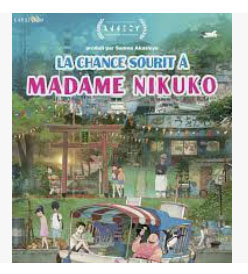
Fortune Favors Lady Nikuko
Synopsis
Fortune Favors Lady Nikuko follows Nikuko, a boisterous, high-spirited, and perpetually unlucky single mother, and her sharp-witted, quiet 11-year-old daughter Kikuko, who live together on a permanently docked restaurant boat in a scenic Japanese fishing harbor. While Nikuko bounces from one impulsive romance to another with cheerful optimism, Kikuko struggles with the awkward changes of puberty, body image insecurities, and the secret realization that she and her mother are not biologically related. The animated film is a heartwarming slice-of-life coming-of-age drama.
The Making of the Film
Directed by Ayumu Watanabe and produced by Studio 4°C, the anime film was adapted from Kanako Nishi's best-selling novel. The inspiration stemmed from wanting to portray an unconventional mother-daughter bond with emotional depth, humor, and stunning hand-drawn coastal animation. The production utilized vibrant seaside scenery, detailed Japanese fishing port settings, and stellar character design by Studio Ghibli veteran Kenichi Konishi.
Critical Reception
Critics universally lauded Fortune Favors Lady Nikuko as a masterpiece of modern anime slice-of-life cinema, praising its gorgeous coastal animation, rich character development, and touching emotional resonance. Reviewers highlighted the film's gentle celebration of ordinary life, community kindness, and familial love. It achieved widespread critical acclaim.
Audiences embraced the movie with deep emotional affection, moved by the quirky mother-daughter bond.
The film earned recognition across international animation film festivals for its artistic direction and heartfelt storytelling.
Behind-the-Scenes Stories
Ayumu Watanabe drew heavy inspiration from Kanako Nishi's novel and detailed field research in Japanese coastal fishing villages.
Animating the bustling harbor life and delicious culinary scenes required meticulous hand-drawn framing and vibrant color palettes.
During production, voice actors Shinobu Otake and Cocomi delivered heartfelt performances bringing the mother and daughter to life.
Casting renowned talent brought immense emotional warmth to the animated feature.
Themes Explored
The film explores mother-daughter relationships, coming-of-age, rural Japanese fishing harbor life, body image, adoption, and everyday resilience.
Ending Explained
The touching conclusion reveals Kikuko's acceptance of her adoption history, embracing her mother's cheerful philosophy that ordinary happiness is enough.
Meaning of the Title
Reference to the optimistic protagonist (Lady Nikuko) whose quirky charm brings joy to those around her.
Original Soundtrack
The original musical score features uplifting orchestral arrangements and breezy seaside melodies that capture the coastal village atmosphere.
Similar films include Mirai, When Marnie Was There, A Silent Voice, and Okko's Inn.