

 Français
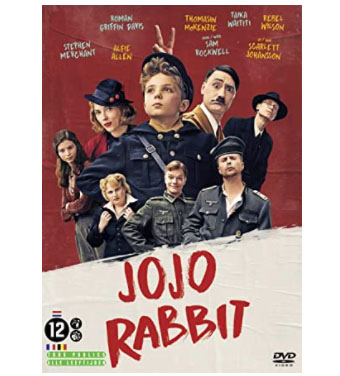
Jojo Rabbit
Synopsis
This brilliant, deeply moving satirical dark comedy follows Jojo "Rabbit" Betzler, a lonely ten-year-old German boy living during the waning days of World War II whose sole ambition is to prove his fierce loyalty to the Nazi regime, complete with an imaginary best friend patterned after a goofy, cartoonish version of Adolf Hitler. When Jojo discovers that his kind-hearted mother is secretly hiding a young Jewish teenage girl named Elsa in their attic, his worldview is thrown into utter chaos as he struggles between his fanatical propaganda indoctrination and his growing, human affection for Elsa. It is a wildly funny, heartbreakingly tender masterpiece about tolerance and empathy.
The Making of the Film
The project originated from writer, director, and star Taika Waititi's discovery of Christine Leunens's novel 'Caging Skies', which inspired him to craft a satirical dark comedy mocking fascism through the innocent, absurd eyes of a child. Waititi sought to use absurdist humor as a weapon against hate, drawing deep inspiration from Charlie Chaplin’s 'The Great Dictator' and classic coming-of-age cinema. Inspiration was also drawn from World War II history and classic fairy tales. The creative team aimed to produce a fearless, heartwarming crowd-pleaser.
Critical Reception
Critics offered generally favorable reviews, praising Waititi's brilliant tonal balancing act between laugh-out-loud slapstick satire and devastating emotional tragedy, alongside standout performances by Roman Griffin Davis, Thomasin McKenzie, and Scarlett Johansson. Reviewers noted that Waititi successfully navigated the risky tightrope of mocking Nazis without trivializing the horrors of the Holocaust, anchoring the comedy in genuine human empathy. The gorgeous cinematography and whimsical art direction received universal applause. It was widely celebrated as a triumph of bold artistic vision.
Audience reception was massive and enthusiastic, driving the film to strong box office success worldwide and turning it into a major cultural touchstone. Viewers on public platforms praised the tear-jerking emotional moments, hilarious imaginary Hitler antics, and poignant shoe-tying symbolism. Fans of Taika Waititi celebrated its unique blend of heartwarming charm and subversive wit. Word-of-mouth sustained massive global streaming and home video popularity.
Awards season brought historic triumph, securing six Academy Award nominations and winning the Oscar for Best Adapted Screenplay for Taika Waititi. Scarlett Johansson also earned a Best Supporting Actress nomination. These accolades cemented its status as a modern classic in satirical cinema.
Behind-the-Scenes Stories
The director drew visual inspiration from classic Wes Anderson color palettes, wartime propaganda posters, and children's book storybook aesthetics to establish a bright, fairy-tale visual style that contrasts sharply with the grim historical reality. Every set, from the Hitler Youth training camp to the cozy Betzler attic, was designed to reflect childhood innocence warped by propaganda. The production team collaborated with historical advisors to ensure period uniforms and wartime details were authentic. These artistic choices created a wonderfully unique cinematic world.
Production presented fascinating logistical and emotional hurdles, requiring young newcomer Roman Griffin Davis to carry the entire emotional weight of the film at just ten years old while navigating complex satirical themes. Taika Waititi played the imaginary Hitler himself with goofy, childish improvisations to ensure the dictator looked pathetic rather than terrifying. Shooting on location in Prague exposed the crew to freezing autumn weather. Furthermore, maintaining a delicate balance between comedy and tragedy required obsessive editorial precision from Waititi.
During the filming of the emotional shoe-tying sequence in the public square, Roman Griffin Davis and Scarlett Johansson delivered their heartbreaking performances with tear-jerking authenticity. To maintain comedic timing, Waititi encouraged the young cast to improvise childish reactions. The crew utilized warm, golden-hour lighting to accentuate the hopeful coming-of-age tone. This collaborative environment resulted in immortal cinematic moments.
Casting was anchored by discovering brilliant young British actor Roman Griffin Davis, whose natural innocence and charm drove the entire narrative engine. Scarlett Johansson brought profound warmth and motherly wisdom to her Oscar-nominated role. Supporting roles were filled with incredible talent including Thomasin McKenzie, Sam Rockwell, Rebel Wilson, and Taika Waititi. This star-studded casting strategy was the absolute secret to the film's emotional success.
Themes Explored
The narrative deeply explores themes of tolerance, empathy, and dismantling hate through human connection. It examines childhood indoctrination, wartime propaganda, and the loss of innocence. Additionally, it highlights maternal love, resistance, and finding beauty amidst the ruins of war. Ultimately, the film reflects on hope, humanity, and choosing love over fear.
Ending Explained
Following the collapse of Nazi Germany and the bloody liberation of their town by Allied forces, Jojo helps Elsa step out into the liberated streets safely, and after giving her a final dance on the sidewalk, he bids her a fond farewell as she walks off to freedom. Jojo finally kicks his imaginary Hitler friend out of his life through a literal window, embracing real life and youthful hope. The heartwarming story concludes with a quote by Rainer Maria Rilke celebrating life 's resilience.
Meaning of the Title
The title directly references the young protagonist's nickname ("Jojo Rabbit"), symbolizing his initial cowardice and eventual courage.
Similar Films
Films sharing similar World War II childhood satire and heartwarming coming-of-age themes include Life Is Beautiful (1997), The Boy in the Striped Pyjamas (2008), and Empire of the Sun (1987).