

 Français
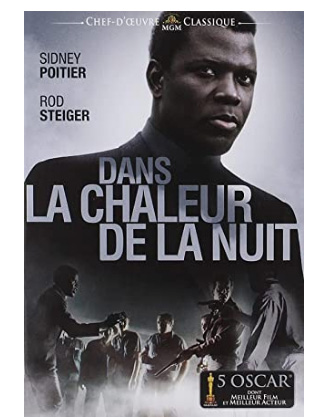
In the Heat of the Night
Synopsis
Set in a stifling, racially polarized small town in Mississippi during the height of the civil rights movement, Virgil Tibbs is a sophisticated, highly skilled Black homicide detective from Philadelphia who is wrongfully arrested at a railway station while waiting for a train. When the local police chief discovers Tibbs identity and realizes a wealthy industrialist has been murdered, he is forced to enlist the reluctant detective to help solve the high-profile crime. Facing hostile racism, violent threats, and deep-seated southern prejudice, Tibbs and the bigoted police chief form an uneasy professional alliance to track down the real killer. The tense murder mystery exposes the raw racial tensions of the American South.
The Making of the Film
Director Norman Jewison adapted the film from John Ball bestselling 1965 mystery novel of the same name. Producer Walter Mirisch championed the project, recognizing its profound social relevance during the turbulent civil rights era. United Artists financed the gritty murder mystery, positioning it as a prestige social drama.
Critical Reception
Critics universally acclaimed In the Heat of the Night as a brilliant, gripping, and socially groundbreaking masterpiece of mystery cinema. Reviewers praised Norman Jewison taut direction, Stirling Silliphant Oscar-winning screenplay, and powerhouse lead performances by Sidney Poitier and Rod Steiger. The film was celebrated for tackling systemic racism and small-town prejudice with uncompromising moral courage.
Public reception was phenomenal, turning the social thriller into a massive box-office blockbuster worldwide and a defining cultural touchstone of the 1960s. Audiences were captivated by the explosive racial slaps and evolving respect between the detectives. It remains an all-time classic.
The film won five Academy Awards, including Best Picture, Best Actor for Rod Steiger, Best Adapted Screenplay, Best Film Editing, and Best Sound. Sidney Poitier delivered an iconic star performance. Its critical legacy is monumental.
Behind-the-Scenes Stories
Director Norman Jewison drew inspiration from southern civil rights history, racial tension archives, and classic police procedurals. He chose authentic, scorching small-town locations in Sparta, Georgia, though severe racial hostility forced the production to move several exterior shooting days to Illinois. His direction pushed Sidney Poitier and Rod Steiger to build intense, complex professional friction.
Production faced heavy racial tensions and security threats during southern location scouting, requiring careful crew management. Sidney Poitier famously insisted on a contractual clause ensuring he would not be filmed in Mississippi after dark for his personal safety. Rod Steiger chewed gum incessantly to craft his bigoted sheriff persona.
A memorable sequence involves Tibbs slapping a wealthy racist plantation owner back across the face after being assaulted, delivering an unforgettable cinematic moment of racial equality and defiance. The scene shocked 1960s audiences. Poitier dignified delivery anchored the power.
The casting process brought together two acting titans. Sidney Poitier was cast as Virgil Tibbs, bringing immense dignity and intellectual authority. Rod Steiger was chosen for Sheriff Bill Gillespie, delivering a masterclass in evolving bigotry and redemption.
Themes Explored
The film explores systemic racism, small-town prejudice, civil rights, professional pride, justice, and unlikely partnership. It highlights how human decency bridges racial divides. Truth dismantles bigotry.
NULL
Meaning of the Title
The title refers metaphorically to the sweltering, oppressive heat of a southern summer night mirroring the simmering racial tensions and hostility of the town. It highlights the dangerous atmosphere.
NULL
NULL
Similar Films
Other similar films include To Kill a Mockingbird, Mississippi Burning, and Guess Who's Coming to Dinner.