

 Français
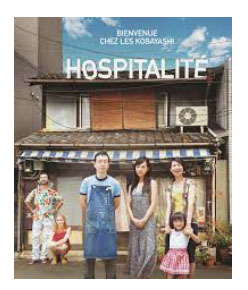
Hospitality
Synopsis
Hospitality follows Natsuko, a quiet woman running a modest printing shop in Tokyo whose peaceful, orderly life is disrupted by the unexpected arrival of her estranged brother and a series of eccentric visitors. As various bizarre characters wander into her shop with strange requests and overwhelming demands, Natsuko struggles to maintain her traditional Japanese sense of hospitality while her personal boundaries dissolve. The film explores the hidden absurdities beneath polite social conventions.
The Making of the Film
Directed by acclaimed Japanese filmmaker Kôji Fukada, the film was conceived as a dark comedic satire examining the limits of Japanese politeness, hospitality, and social obligation. The inspiration stemmed from theatrical farce traditions and modern anxieties about invasion of personal space. The production utilized a single primary location—the printing shop—to build intense comedic and psychological claustrophobia.
Critical Reception
Critics praised Hospitality for its razor-sharp deadpan wit, meticulous framing, and brilliant satirical take on social etiquette. Reviewers highlighted Fukada's masterful control of tone as an ordinary situation spirals into delightful absurdity. The ensemble performances received high critical marks for their deadpan precision.
Audiences who enjoy quirky international art-house comedies and slow-burn satire appreciated the film's clever social commentary and escalating chaos. Viewers found its unique comedic rhythm refreshing.
The film earned recognition at international film festivals, winning prestigious awards for its screenplay, direction, and innovative independent comedy style.
Behind-the-Scenes Stories
Kôji Fukada drew inspiration from classic theatrical farce, Japanese hospitality culture (omotenashi), and absurdist comedy playwrights.
Staging an escalating comedy within a confined printing shop set required precise blocking and timing from the actors to maintain comedic momentum in tight spaces.
During the filming of the chaotic dinner party scene, an unscripted prop spill caused genuine laughter among the actors, which the director chose to keep for its spontaneity.
Casting discussions focused on securing stage-trained actors who excel at deadpan delivery and physical comedic timing.
Themes Explored
The film explores social etiquette, hospitality, boundaries, cultural politeness versus personal sanity, and the chaotic intrusion of outsiders into orderly lives.
Ending Explained
The climax resolves with Natsuko finally setting firm boundaries with her intrusive visitors, reclaiming her quiet shop and personal peace of mind.
Meaning of the Title
The title refers to the traditional cultural concept of hospitality (omotenashi), subverting it to examine the emotional toll of endless politeness.
Similar films include Tampopo, The Party, A Gentle Breeze in the Village, and Welcome Back, Mr. McDonald.