

 Français
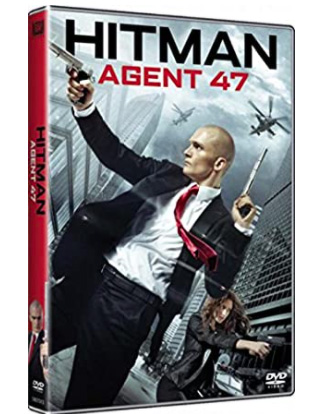
Hitman: Agent 47
Synopsis
A genetically enhanced, elite assassin known only as "Agent 47" is engineered to be the ultimate cold-blooded killing machine, identified by a distinctive barcode tattooed on the back of his neck. He teams up with a young woman possessing her own mysterious genetic enhancements to uncover the secrets of her troubled past. Together, they find themselves hunted by a ruthless private military corporation seeking to replicate the assassin program for global dominance. This high-octane action thriller adapts the popular video game franchise.
The Making of the Film
The concept for Hitman: Agent 47 was developed by 20th Century Fox as a complete reboot and reinvention of the 2007 film adaptation based on Square Enix's multi-million-selling stealth video game series. Director Aleksander Bach and producer Alex Young wanted to craft a sleek, high-end action thriller that prioritized tactical combat, espionage, and stunning international set-pieces over standard shootouts. Screenwriters Skip Woods and Michael Finch crafted an original narrative expanding the genetic origins of the assassin program. The production team aimed to deliver a visually stylish cinematic experience.
Critical Reception
Professional critics gave overwhelmingly negative reviews to Hitman: Agent 47, criticizing its generic script, underdeveloped characters, and heavy reliance on mindless action tropes. Reviewers noted that despite Rupert Friend's committed physical performance, the film failed to capture the strategic stealth and suspense that defined the video game source material. The public response was modest at the box office, generating enough international ticket sales to cover its budget but failing to launch a planned franchise. Audiences found the action set-pieces entertaining though ultimately forgettable. The film did not receive major mainstream awards.
Filming Anecdotes
Director Aleksander Bach drew heavy inspiration from slick European action cinema, modern architectural design, and the stealth-action mechanics of the video game series. Production involved extensive international location shooting across Berlin and Singapore, utilizing striking modern buildings and industrial complexes for combat backdrops. During the filming of the intricate hotel shootout and street chase sequences, Rupert Friend underwent rigorous firearms and tactical combat training. Before Rupert Friend was cast in the title role, Paul Walker was originally attached to star before his tragic passing.
Main Themes
The film explores themes of genetic engineering, identity, corporate greed, free will, and the pursuit of humanity within artificial constructs. It highlights how engineered killers can choose their own paths rather than remaining obedient corporate weapons. Furthermore, it examines espionage and family legacy.
Ending Explanation
The climax resolves the corporate conspiracy when Agent 47 and Katia infiltrate the syndicate's high-tech headquarters, engaging in a tense rooftop showdown against the rival enhanced operative John Smith. Using tactical precision and cunning strategy, Agent 47 eliminates the primary threat and secures Katia's freedom from corporate exploitation. Having completed his objective, Agent 47 disappears back into the shadows of the global underworld. The film ends on an open, suspenseful note hinting at his continued vigilance.
Title Significance
The title directly references the iconic protagonist of the franchise: Agent 47, the forty-seventh clone in a secret line of genetically modified assassins.
NULL
NULL
The Transporter, John Wick, Salt, Equalizer