

 Français
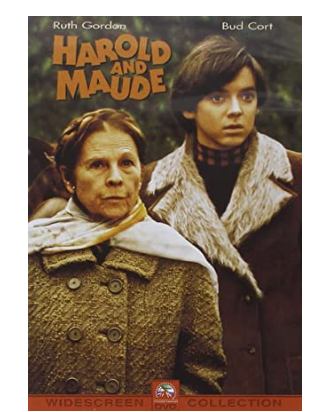
Harold and Maude
Synopsis
A morbid, death-obsessed young man named Harold who stages elaborate fake suicides meets an eccentric, life-loving seventy-nine-year-old woman named Maude at a stranger's funeral. An unlikely and deeply eccentric friendship blossoms between the two extremes, teaching Harold how to genuinely embrace the joy of living. As their bond deepens into romance, Harold's overbearing mother attempts to intervene with various matchmaking schemes. Their unorthodox relationship ultimately transforms Harold's perspective on mortality and freedom forever.
The Making of the Film
Screenwriter Colin Higgins originally conceived the story as a master's thesis student film project at UCLA before it caught the attention of Paramount Pictures executives. Director Hal Ashby was brought on board to helm the dark romantic comedy, infusing the production with his signature countercultural aesthetic and humanist warmth. Producers initially faced studio hesitation due to the unorthodox thematic mixture of suicide jokes and May-December romance. Ruth Gordon was specifically sought after for the role of Maude due to her irrepressible comedic energy and charm. The production utilized striking Northern California locations around San Francisco to capture a bohemian atmosphere.
Critical Reception
Critics initially offered mixed reviews upon release, with some baffled by its dark humor and unconventional romantic pairing, while others praised its fearless originality. Over subsequent decades, the film underwent a massive critical reassessment, eventually achieving universally recognized status as a beloved cinematic masterpiece. Audiences gradually embraced its life-affirming philosophy and idiosyncratic charm through midnight movie screenings and word-of-mouth acclaim. It earned numerous retrospective honors and is widely cited by filmmakers as a profound influence. It remains an enduring cult classic of 1970s American cinema.
Behind-the-Scenes Stories
Hal Ashby drew visual inspiration from 1970s independent cinema and counterculture art movements, utilizing natural lighting and gentle pacing. Bud Cort designed several of Harold's elaborate fake suicide setups himself, leaning into the character's deadpan theatricality. During filming across San Francisco, the cast and crew experienced freezing weather conditions during cemetery and coastal scenes. Ruth Gordon performed many of her own energetic stunts, including driving vintage cars recklessly.
Themes Explored
The narrative explores the celebration of life versus morbid obsession with death, unconventional romance, generational bridges, and personal freedom. It examines how society's rigid expectations can be shattered by radical authenticity and joy. Furthermore, it highlights the beauty of living without fear of judgment.
Ending Explained
Following Maude's intentional decision to end her life on her eightieth birthday, a grieving Harold drives his customized hearse off a cliff, only to step away unharmed and play a banjo happily into the distance. The final cinematic moments show Harold embracing absolute personal freedom and self-discovery. A poignant, bittersweet sense of liberation closes the film.
Meaning of the Title
Reference is made to the first names of the two central characters, symbolizing their unlikely pairing and the merging of youth and old age.
Cat Stevens contributed an extraordinary, haunting acoustic soundtrack featuring iconic original songs like 'Where Do the Children Play?', 'Father and Son', and 'Tea for the Tillerman', which perfectly define the film's melancholic yet uplifting pastoral mood.
Other eccentric dark romantic comedies such as Submarine, Rushmore, and Eternal Sunshine of the Spotless Mind.