

 Français
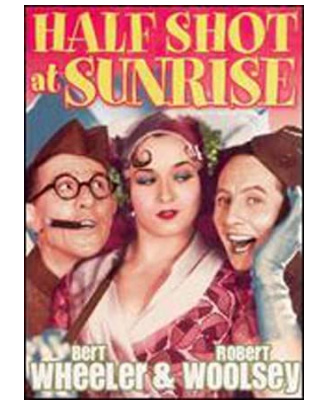
Half Shot at Sunrise
Synopsis
Set during World War I, two mischievous American doughboys named Tommy and Gilbert go AWOL from their military training camp in France. They embark on a chaotic, slapstick-filled adventure across Paris chasing women, avoiding military police, and causing general mayhem. Along the way, they crash high-society parties, disrupt military formations, and bumble their way into accidental heroics. Their hilarious misadventures conclude with a wild chase before returning just in time to face their commanding officer.
The Making of the Film
Director Paul Sloane adapted the comedy specifically as a starring vehicle for the legendary pre-code Vaudeville comedy duo Bert Wheeler and Robert Woolsey. RKO Radio Pictures financed the slapstick service comedy to capitalize on the immense popularity of musical-comedy double acts following the dawn of sound cinema. The script was designed around Wheeler and Woolseys trademark fast-paced banter and physical gags.
Critical Reception
Critics gave the film mixed reviews upon its release, praising Wheeler and Woolseys dynamic comic timing and physical slapstick while noting the loose, episodic plot. Reviewers recognized the film as a typical energetic early sound comedy tailored strictly for fans of the Vaudeville duo. Over time, film historians have appreciated it as a fascinating artifact of early 1930s cinematic humor.
Public reception was strong, making it a box-office success for RKO and cementing Wheeler and Woolsey as major comedy stars of the early sound era. Audiences roared with laughter at their witty insults, physical mishaps, and chaotic musical interludes. It remains a beloved classic for enthusiasts of early cinema slapstick.
The film did not receive major mainstream awards, reflecting the lightweight comedic nature of early sound studio releases. Its commercial success helped establish RKO as a major comedy powerhouse. Its historical value as a Vaudeville preservation piece endures.
Filming Anecdotes
Director Paul Sloane drew inspiration from classic Vaudeville stage routines, silent comedy slapstick, and World War I service comedies. He chose controlled studio backlots and painted backdrops to recreate wartime Paris and military camps. His direction encouraged Wheeler and Woolsey to improvise rapid-fire verbal insults and physical gags on set.
Production went smoothly, supported by RKOs growing studio infrastructure and experienced backstage crew. Bert Wheeler and Robert Woolsey brought years of polished stage experience to their cinematic performances. The supporting cast featured talented musical comedy performers enhancing the vaudeville atmosphere.
A memorable sequence involves the duo crashing a formal military reception disguised as high-ranking foreign dignitaries, leading to hilarious confusion. The scene highlights their trademark verbal sparring and physical awkwardness. Their impeccable timing anchored the chaotic set piece.
The casting process was straightforward as the film was built entirely around the famous comedy team of Bert Wheeler and Robert Woolsey. Their established stage chemistry made casting secondary roles simple. Dorothy Lee joined the duo as the romantic lead, adding musical charm.
Themes Explored
The film explores military life absurdity, friendship, chaotic comedy, romance, and avoiding responsibility. It satirizes rigid military discipline through slapstick irreverence. Laughter conquers wartime stress.
NULL
Title Significance
The title refers to an old slang idiom and playful military joke about being intoxicated or dizzy during early morning hours. It highlights the tipsy, chaotic energy of the comedic soldiers.
NULL
NULL
Similar Films
Other similar films include Duck Soup, The Coconuts, and Doughboys.