

 Français
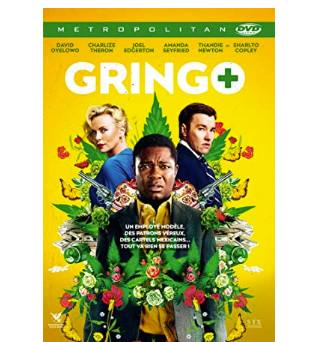
Gringo
Synopsis
Harold Soyinka, a mild-mannered American businessman working for a pharmaceutical company, travels to Mexico on a routine corporate assignment. His life is instantly upended when he discovers that his shady bosses are planning to sell out the company and that local cartel enforcers are hunting him down. Faking his own kidnapping to secure a ransom from his corrupt employers, Harold accidentally triggers a chaotic chain of cross-border mayhem. Along the way, he must outwit hitmen, mercenaries, and his own treacherous executives to stay alive.
The Making of the Film
Director Nash Edgerton and screenwriter Anthony Tambakis developed the project as a darkly comedic action-thriller that blends corporate satire with chaotic cartel shootouts. The inspiration stemmed from wanting to submerge an ordinary, unassuming office worker into an absurdly dangerous underground criminal world. Producers sought to create a fast-paced narrative that kept tonal shifts balancing between sharp workplace comedy and gritty violence. The screenplay underwent several revisions to sharpen the complex web of double-crosses and corporate greed.
Critical Reception and Reviews
Professional Critic Reviews
Critics gave the film mixed reviews, praising the energetic ensemble cast—particularly David Oyelowo and Charlize Theron—while noting that the plot occasionally felt overstuffed with subplots. Reviewers enjoyed the film's slick visual style, dry comedic timing, and unpredictable narrative twists. Some critics felt that the tonal oscillation between slapstick comedy and brutal cartel violence was uneven. Nevertheless, it was praised as an entertaining and fast-moving ride.
Public Reception
Audiences embraced the film as a fun, breezy popcorn thriller powered by David Oyelowo's charmingly bewildered everyman performance. Viewers highlighted the sharp chemistry among the supporting cast and the numerous unexpected comedic beats. It found a appreciative audience looking for high-energy caper entertainment.
Awards and Honors
While the film did not compete in major mainstream award circuits, it received positive nods from genre-specific comedy and thriller festival panels. David Oyelowo's comedic pivot earned praise from industry peers for demonstrating remarkable acting versatility.
Filming Anecdotes
Director's Inspirations
Nash Edgerton drew inspiration from classic 1990s crime capers and dark cinematic comedies that feature ordinary protagonists caught in extraordinary criminal spirals. He wanted the action sequences to feel grounded and chaotic rather than overly stylized or superheroic. The vibrant colors of Mexico contrasted sharply with cold, sterile corporate boardrooms to visually emphasize Harold's displacement.
Production Difficulties
Shooting action-heavy sequences across multiple international locations required precise stunt choreography and rigorous schedule coordination. Managing large ensemble call sheets with actors flying in from different projects demanded meticulous planning from the assistant directors. Extreme weather changes during outdoor desert setups also tested the crew's resilience.
Particular Scene AnecdoteAn elaborate jungle escape sequence required David Oyelowo to perform several rigorous physical stunts while wearing business attire. The actor insisted on doing many of his own light action beats to maintain comedic authenticity during stressful moments. Between takes, the cast kept spirits high by improvising alternative punchlines for corporate dialogue scenes.
Initial Casting Choices
David Oyelowo was cast early on, bringing unexpected comedic chops to a role traditionally reserved for broad action stars. Charlize Theron and Joel Edgerton joined soon after, relishing the opportunity to play delightfully ruthless and amoral corporate bosses. The supporting ensemble was carefully selected to blend seasoned dramatic actors with veteran comedians.
Themes Explored
The film satirizes the ruthless nature of modern corporate capitalism and the disposability of ordinary employees. It examines how desperation can transform a passive, law-abiding individual into an opportunistic survivor. Another prominent theme is international exploitation and the absurdity of corporate greed crossing borders. Ultimately, it highlights the unpredictable consequences of corporate betrayal.
Explanation of the Ending
The story concludes with Harold successfully securing a modest financial cushion for himself while leaving his corrupt former bosses facing legal ruin and cartel retribution. Rather than returning to his old subservient office life, he chooses a new path of self-preservation and cautious independence. The final shots depict him enjoying a tranquil moment on a beach, having outsmarted everyone who underestimated him. It signifies a humorous triumph of the underdog over corporate corruption.
Meaning of the Title
The title 'Gringo' refers to the slang term used in Latin America for a foreigner, typically from the United States, highlighting Harold's complete cultural and situational disorientation. It emphasizes the comedic fish-out-of-water premise as an American corporate worker blunders through foreign cartels. The single-word title establishes the lighthearted, cynical tone of the crime caper.
["Pineapple Express", "The Nice Guys", "Knight and Day"]