

 Français
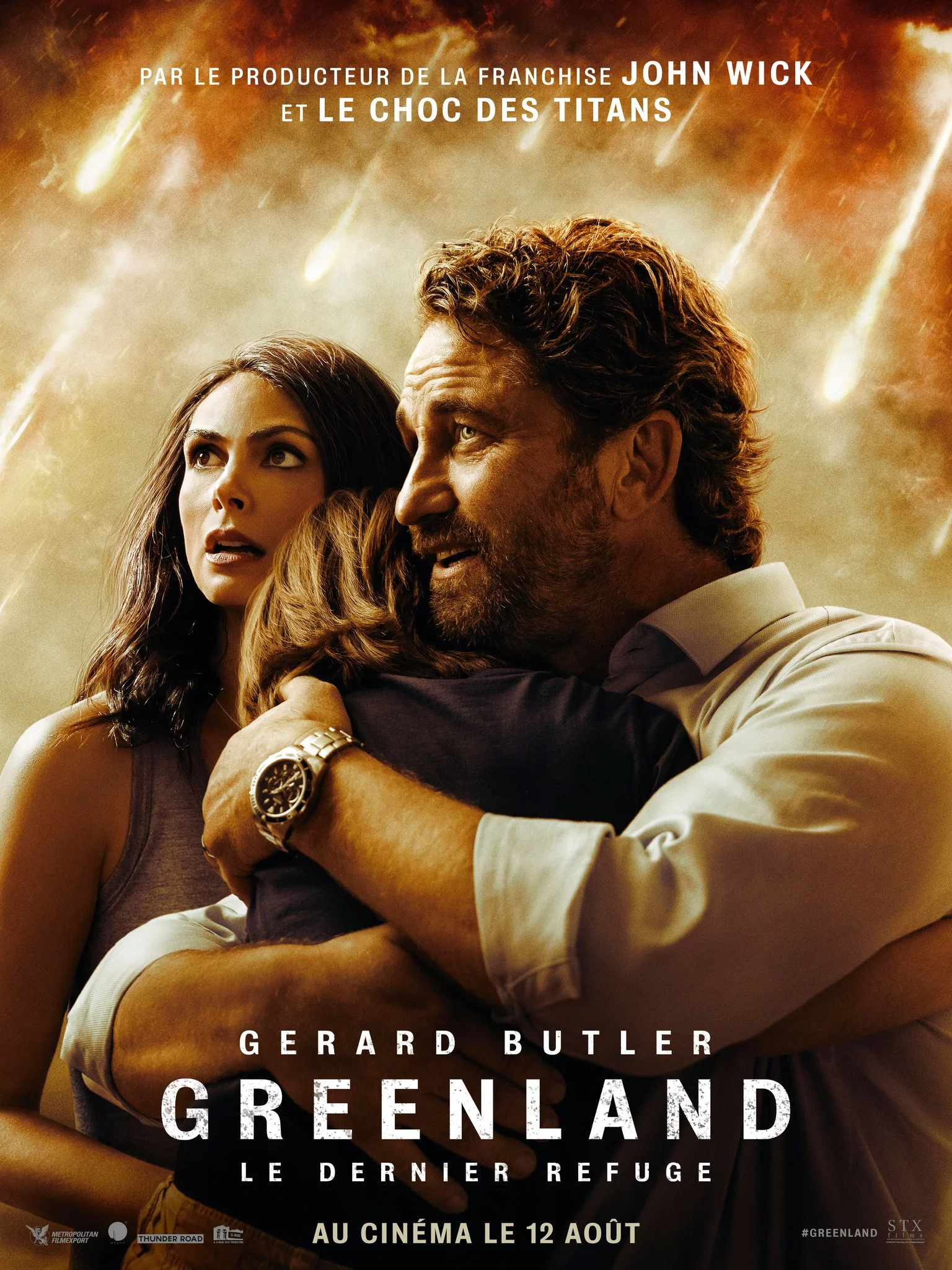
Greenland
Synopsis
When fragments of an interstellar comet unexpectedly strike Earth and threaten global extinction, structural engineer John Garrity and his estranged family fight for survival. As government emergency broadcasts select a privileged few for underground bunker shelters in Greenland, John embarks on a harrowing cross-country journey to secure safety for his diabetic son and wife. Amidst mass panic, military martial law, and collapsing civil order, society quickly devolves into chaos. The family must rely on love, resilience, and sheer determination to reach their destination before the final cataclysmic impact occurs.
The Making of the Film
Director Ric Roman Waugh and screenwriter Chris Sparling developed the disaster film with a deliberate focus on human drama rather than endless computer-generated spectacle. The filmmakers were inspired by classic survival narratives, aiming to explore how ordinary families bond and break under the ultimate pressure of an extinction-level event. The production prioritized practical stunts and emotional realism over typical superhero-style disaster tropes. The script was crafted to highlight empathy and human altruism amidst total societal collapse.
Critical Reception
Professional reviews were surprisingly positive for a disaster movie, with critics praising its grounded, character-driven approach and strong lead performances by Gerard Butler and Morena Baccarin. Reviewers noted that by focusing on family survival and bureaucratic panic rather than global destruction porn, the film achieved genuine tension and emotional resonance. It earned strong critical acclaim during its pandemic-era digital and international theatrical rollout.
Public reception was enthusiastic among thriller fans who appreciated the relentless pacing and realistic portrayal of societal panic. Viewers connected strongly with the high-stakes family dynamic and harrowing obstacles along the road. Word-of-mouth helped make it a commercial success across streaming platforms.
Awards recognition included genre festival mentions and strong digital viewing accolades, cementing its status as one of the finest modern disaster thrillers.
Shooting anecdotes
Director Ric Roman Waugh drew inspiration from classic 1970s disaster epics and modern realistic survival dramas that emphasize human vulnerability against nature.
Production faced unique timing challenges releasing during global pandemic shutdowns, shifting distribution strategies toward digital and international markets successfully.
During a chaotic evacuation traffic jam sequence, Gerard Butler performed intense physical stunt work amidst packed background extras to capture authentic panic.
Initial casting brought together seasoned action and dramatic leads to ground the high-concept sci-fi premise in believable emotional stakes.
Themes explored
The film explores family survival, societal breakdown, human altruism, panic, and hope in the face of extinction. It examines how crises strip away superficial worries to reveal true human character. It also highlights parental sacrifice and marital reconciliation.
Explanation of the ending
The ending delivers a triumphant yet harrowing resolution as John and his family reunite inside the reinforced military bunker in Greenland just as the cataclysmic impact devastates the planet's surface. It closes on a hopeful note as survivors look out from the bunker toward a new dawn for humanity.
Meaning of the title
Refers literally to the geographic sanctuary destination featured in government emergency broadcasts, symbolizing ultimate safety and a fresh start for surviving humanity.
2012, The Impossible, Deep Impact, San Andreas