

 Français
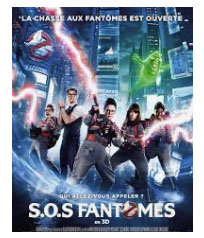
Ghostbusters: Afterlife
Synopsis
A struggling single mother moves her two children to a rundown farm in Oklahoma that she has inherited from her estranged father. Her son and her science-loving daughter soon discover that the grandfather they never knew was Egon Spengler, one of the original Ghostbusters. Strange tremors and eerie events begin to shake the town. The kids and a quirky teacher must take up the family legacy and face a threat from beyond.
The Making of the Film
Ghostbusters: Afterlife is a direct sequel to the first two Ghostbusters films and ignores the 2016 reboot. It was directed by Jason Reitman, whose father Ivan Reitman had directed the originals, and written by Reitman and Gil Kenan. Jason has said that the idea came from wanting to make a film for the kid he had been when he visited the set of the first movie. The story moves from New York to a small farming town, which gives the film the feel of an adventure from the 1980s. Mckenna Grace, Finn Wolfhard, Carrie Coon and Paul Rudd headed the cast. The film was originally planned for 2020, but the pandemic delayed it until November 2021. It is dedicated to Harold Ramis, who played Egon and died in 2014.
Critical Reception
Summary of professional reviews
Critics were generally positive. They enjoyed the warm sense of nostalgia, the charm of the young cast and the way the film honors the spirit of the originals. Some felt that it leaned too heavily on callbacks to the earlier movies, but most agreed that it was a heartfelt and entertaining return.
Public reception
Audiences embraced the film, which earned about 200 million dollars worldwide in the middle of the pandemic. Fans of the franchise welcomed the return of the original cast members, and younger viewers enjoyed the family adventure.
Behind-the-Scenes Stories
Director's inspirations
Jason Reitman drew on the adventure films of the 1980s and on his own memories of his father's sets. He wanted to keep the practical, hand-built feel of the original gadgets and the Ecto-1.
Anecdote about a particular scene
The scene in which the ghost of Egon Spengler appears has a special emotional weight. Harold Ramis's presence was recreated digitally, as a tribute to the actor and to his character.
Themes Explored
The film is about family, legacy and the bonds between generations. Phoebe tries to understand a grandfather she has never met, and in doing so she finds a place where she belongs. It also looks at loneliness and the need for connection, particularly for children who feel like outsiders. Science, curiosity and courage are celebrated as forces that can face the unknown. The story shows how an inheritance can be more than property: it can be a mission.
Ending Explained
In the final battle, the Ghostbusters face Gozer, the ancient being from the first film. Phoebe and her family use the old equipment, with a little help from the ghost of Egon, to trap Gozer and save the town. Callie finally makes peace with the father she had resented. In the closing scenes, the original Ghostbusters, Venkman, Ray and Winston, appear to say goodbye to their old friend.
Meaning of the Title
Afterlife refers to the world of spirits at the heart of the franchise and to the idea of a life after the original story. It also points to the legacy that Egon leaves behind for his family.
Original Soundtrack
The score was composed by Rob Simonsen, who blended new music with the classic Ghostbusters theme. The familiar melodies give the film an immediate link with the original series.
Similar Films
Ghostbusters (1984) and Ghostbusters II are the essential companions. For other nostalgic family adventures, try Stranger Things, The Goonies and Super 8. Jason Reitman's Juno and Up in the Air are very different films from the same director.