

 Français
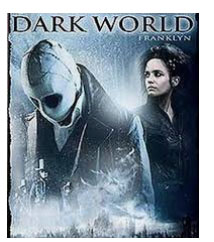
Franklyn
Synopsis
In a gritty, parallel metropolis ruled by religious fanaticism, a masked vigilante named Preest seeks justice in a corrupt world. Meanwhile, in contemporary London, three other troubled individuals struggle with personal grief, mental breakdown, and lost love. As the narrative progresses, the two seemingly disconnected realities begin to weave toward an astonishing convergence. Ultimately, the story explores the fragile boundaries between sanity, imagination, and human connection.
The Making of the Film
Writer and director Gerald McMorrow spent years developing the ambitious visual concept to contrast a dystopian fantasy world with modern London. The project was conceived as an independent British neo-noir fantasy drama that would delve deeply into themes of psychological trauma and faith. McMorrow drew inspiration from classic graphic novels, urban architecture, and psychological thrillers to construct his dual-reality narrative. Securing independent financing for such a visually complex concept proved to be a massive challenge, but the filmmaker's persistence brought the unique vision to the screen.
Critical Reception
Résumé des critiques professionnelles : Critics offered mixed reviews upon release, often praising its striking visual ambition and atmospheric world-building. Reviewers highlighted Ryan Phillippe's dedicated lead performance and the clever way the dual storylines were structured. Some film critics, however, felt that the narrative grew overly convoluted and struggled to balance its philosophical weight with its thriller elements. Despite the division among reviewers, many acknowledged the film as a bold and unique entry in independent fantasy cinema.
Réception du public : Audiences found the film to be a deeply thought-provoking and visually arresting experience that rewarded attentive viewing. Viewers on independent cinema forums frequently commended the moody cinematography and the emotional payoff of the intersecting plotlines. While it did not achieve mainstream box-office success, it gained a devoted cult following among fans of mind-bending psychological mysteries. Many appreciated the raw emotional vulnerability displayed by the ensemble cast throughout their respective crises.
Récompenses obtenues : Although major mainstream awards eluded the indie production, it received nominations and accolades at several specialized international fantasy film festivals. Its recognition centered primarily on its visionary art direction, costume design, and atmospheric cinematography. These festival honors helped establish Gerald McMorrow as a promising voice in imaginative independent filmmaking. The film continues to be appreciated in retrospective screenings for its distinctive aesthetic achievements.
Behind-the-Scenes Stories
Inspirations du réalisateur : Gerald McMorrow was heavily inspired by graphic novels and expressionist art that utilize dark, stylized cityscapes to reflect inner turmoil. He wanted to examine how human beings cope with unbearable grief by retreating into elaborate psychological defenses. The visual style of the fictional city of Meanwhile City was influenced by brutalist architecture, gothic comic books, and classic film noir. The director also drew from personal observations of urban isolation and modern existential anxiety in major metropolitan areas.
Difficultés de production : Realizing two distinct visual worlds on a modest independent budget required immense resourcefulness from the design and art departments. The crew had to shoot principal photography across various locations in London while carefully managing tight production schedules. Constructing the gritty aesthetic of Meanwhile City demanded elaborate practical set design and precise camera blocking. Despite these logistical hurdles, the cast and crew maintained a collaborative environment focused on executing the director's intricate vision.
Anecdote sur une scène particulière : During the filming of the dramatic confrontation scenes in Meanwhile City, Ryan Phillippe performed many of his own stunts while wearing a heavy, restrictive costume. Crew members noted that the physical discomfort of the mask and gear actually helped the actor maintain a sense of claustrophobia and tension. In one emotional sequence involving the London storyline, the sudden change in weather required the crew to rapidly alter outdoor lighting setups. This unexpected challenge ultimately yielded a more moody and atmospheric visual tone for the final cut.
Casting initialement prévu : Before the final ensemble cast featuring Ryan Phillippe, Eva Green, Sam Riley, and Bernard Hill was secured, various international actors were considered. Casting directors looked for performers who could project deep psychological distress while maintaining an anchoring screen presence. Phillippe was chosen for his ability to handle both action-oriented sequences and quiet, dramatic introspection. The supporting cast was carefully curated to ensure that the stark contrasts between the fantasy world and reality felt authentic.
Themes Explored
The film heavily explores themes of grief, mental illness, and the coping mechanisms humans create to survive trauma. It examines the fine line between sanity and delusion when faced with unbearable personal loss. Another major motif is the pervasive sense of urban isolation and the desperate human need for redemption. Ultimately, the narrative questions how interconnected human lives truly are beneath the surface of everyday life.
The film concludes with the revelation that the dystopian fantasy world of Meanwhile City is actually a psychological construct created by a comatose man in a London hospital. The various characters in the fantasy world mirror real-life individuals connected to the dying patient and his grieving father. As the truth is uncovered, the barriers between the parallel narratives break down, leading to a poignant moment of acceptance and peace. The ending shifts from a confusing puzzle into a deeply emotional meditation on letting go of sorrow and finding forgiveness.
The title refers directly to the name of the masked protagonist, Preest, whose codename and identity anchor the fantastical elements of the story. It evokes a sense of personal mystery and moral duty within a corrupted urban environment. The single-word title provides a sharp, memorable hook that contrasts nicely with the complex narrative structure. It establishes a mythic tone for a character fighting against overwhelming institutional despair.
Similar films include Dark City, The Butterfly Effect, Donnie Darko, and Sucker Punch, which explore complex psychological realities and parallel worlds.