

 Français
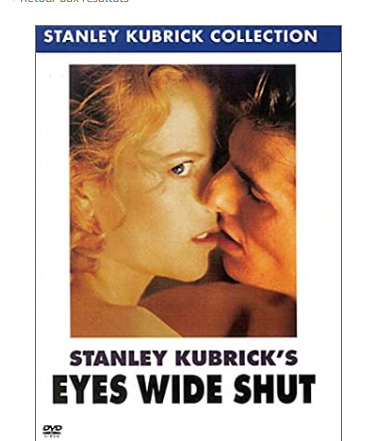
Eyes Wide Shut
Synopsis
After his wife Alice confesses to having sexual fantasies about another man, Dr. William Harford embarks on a bizarre and dangerous nocturnal odyssey through New York City. His journey leads him deep into an underground world of masked elites, secret rituals, and shadowy conspiracies. As reality blurs with illusion, Bill must confront the fragility of his marriage and his own hidden desires. This psychological masterpiece serves as director Stanley Kubrick's final cinematic exploration of human sexuality and psychological tension.
The Making of the Film
The film is based on Arthur Schnitzler's 1926 psychological novella 'Traumnovelle' (Dream Story), a work that Stanley Kubrick had admired for decades and wanted to adapt for the screen. Kubrick spent years developing the screenplay, wishing to explore the complex psychological dynamics of marriage, jealousy, and subconscious desire. The project was conceived as an intense psychological drama that would subvert traditional cinematic depictions of romance. It ultimately became his final testament as a visionary filmmaker after his passing shortly before its release.
Critical Reception
Professional critics offered divided reactions upon release, with some praising its hypnotic atmosphere, meticulous visual design, and Kubrick's uncompromising artistic vision. Other reviewers felt the narrative moved at an overly deliberate pace and found the exploration of sexual themes polarizing. Over time, retrospective critical reappraisal has elevated the film into a masterpiece of modern psychological cinema.
Public reception was heavily driven by the massive media curiosity surrounding real-life couple Tom Cruise and Nicole Kidman starring together. Audiences were fascinated by the secretive marketing campaign and the eerie, atmospheric depiction of elite secret societies. It performed solidly at the global box office while sparking intense cultural debate.
Awards and recognition included numerous nominations from critics associations and artistic bodies, though it was notably shut out of major Academy Award categories. It remains celebrated as one of the most thoroughly analyzed films in cinema history. Film scholars continue to study its intricate visual symbolism and haunting musical score.
Filming Anecdotes
The director drew inspiration from Viennese psychological literature, classic film noir, and his own meticulous obsession with lighting and set reconstruction. Because Kubrick refused to travel, the entire city of New York, including Greenwich Village streets and high-end apartments, was meticulously reconstructed on massive soundstages in England. Every single frame was subjected to obsessive retakes to achieve absolute perfection.
Production famously entered the Guinness World Records for the longest continuous film shoot, lasting over 15 months with a closed and highly secretive set. The intense psychological demands placed on Tom Cruise and Nicole Kidman required complete dedication and emotional vulnerability. Kubrick maintained absolute control over every aspect of production, driving the crew through exhaustive schedules.
A memorable anecdote involves the secretive masked ball ritual sequence, which required weeks of careful choreography and custom-designed Venetian masks. When initial background extras failed to project the right unsettling aura, Kubrick personally coached them or replaced them to ensure the atmosphere felt genuinely unnerving. This sequence became one of the most iconic scenes in movie history.
The casting process originally considered other major stars before Tom Cruise and Nicole Kidman committed to the grueling, multi-month production schedule. Kubrick insisted on casting actors who could authentically portray the strained psychological dynamics of a wealthy, sophisticated married couple. Their real-life marital partnership added a layer of meta-textual intensity to the performances.
Themes Explored
The themes explored include marital fidelity, subconscious desire, dream versus reality, social class disparity, and masculine anxiety. The narrative examines how hidden temptations can destabilize a seemingly perfect upper-class marriage. It also highlights the oppressive power structures hidden behind high society masks.
Explanation of the Ending
The ending shows Bill and Alice reconciling in a crowded Christmas store after confessing their emotional vulnerabilities and shared human frailties to one another. Alice delivers the famous final line, asserting that they must gratefully fuck to ground themselves in reality after their surreal ordeals. The conclusion suggests that while their marriage has survived the psychological storm, it is forever altered by the secrets they uncovered.
Title Significance
The title 'Eyes Wide Shut' refers to a state of willful ignorance or blindness, describing people who choose to remain oblivious to uncomfortable truths around them. It plays on the idiomatic expression 'shut-eye' while inverting it to imply wakeful unconsciousness. The name encapsulates the psychological state of the protagonist wandering through a dangerous dream world.
Original Soundtrack
The film features a haunting musical score composed by Jocelyn Pook, blending avant-garde classical pieces, eerie piano melodies, and mysterious choral chants that heighten the psychological tension.
The film remains a frequent subject of cinematic analyses, anniversary retrospectives, and discussions regarding Stanley Kubrick's legendary legacy.
Blue Velvet, Mulholland Drive, The Game, In the Mood for Love