

 Français
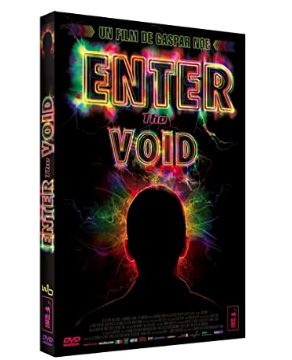
Enter the Void
Synopsis
Enter the Void is a hypnotic, visually groundbreaking psychological drama directed by Gaspar Noé. The story is told almost entirely from the first-person perspective of Oscar, a young American drug dealer living in Tokyo with his stripper sister Linda. After Oscar is tragically killed by police during a botched drug bust in a neon-lit nightclub bathroom, his disembodied spirit lingers in the ethereal realm. Floating above the bustling streets of Tokyo, his soul watches over his grieving sister while journeying through vivid flashbacks of their traumatic childhood and visions of reincarnation. The film offers an immersive, psychedelic sensory experience unlike anything else in cinema.
The Making of the Film
Director Gaspar Noé spent nearly a decade conceptualizing the ambitious project, inspired by his teenage fascination with psychedelic experiences, Tibetan Buddhist texts on death, and cinema. Noé wanted to create a movie that simulated the harrowing, floating sensation of an out-of-body experience and DMT trip. The production utilized cutting-edge digital visual effects, complex camera movements, and stunning neon cinematography to capture the surreal nightlife of Tokyo. Nathaniel Brown and Paz de la Huerta were cast as the sibling protagonists, navigating the demanding experimental shooting style.
Critical Reception
Professional critics offered deeply polarized reviews upon release, dividing audiences between those who hailed it as a visionary psychedelic masterpiece and those who rejected it as exhausting sensory overload. Reviewers praised the film's staggering technical ambition, breathtaking cinematography by Marc Forstythe, and its unflinching exploration of grief and mortality. Some critics found the grueling runtime and provocative subject matter overwhelming, yet acknowledged its undeniable hypnotic power. It quickly established itself as a legendary modern cult art-house provocation.
Audiences experienced extreme reactions, with adventurous cinephiles mesmerized by its immersive visual style and transcendent depiction of the afterlife. Viewers seeking traditional narrative structures occasionally found the experimental first-person perspective disorienting. Nevertheless, it cultivated a devoted global following among admirers of avant-garde cinema.
The film received critical recognition at international film festivals, earning praise from cinematography and avant-garde guilds for its revolutionary visual execution.
Behind-the-Scenes Stories
Director Gaspar Noé drew inspiration from the Tibetan Book of the Dead, psychedelic drug culture, and classic experimental cinema to shape the ethereal narrative. Coordinating the complex first-person camera rigs that floated above Tokyo streets required months of meticulous visual effects planning and specialized crane work. During the filming of the harrowing neon club sequences, the cast and crew immersed themselves in the authentic nocturnal underworld of Shibuya. Before principal photography began, Noé spent years testing experimental digital camera techniques to achieve the seamless floating spirit perspective.
Themes Explored
Death, Reincarnation, Psychedelics, Sibling Bonds, Memory, Tokyo
Ending Explained
The cyclical finale depicts Oscar's spirit witnessing his own rebirth, symbolizing the eternal Buddhist wheel of reincarnation and the unbroken cycle of life and death.
Meaning of the Title
The title refers directly to the spiritual void and the psychedelic transition of human consciousness crossing over from life into death.
Requiem for a Dream, Climax, The Fountain, Holy Motors