

 Français
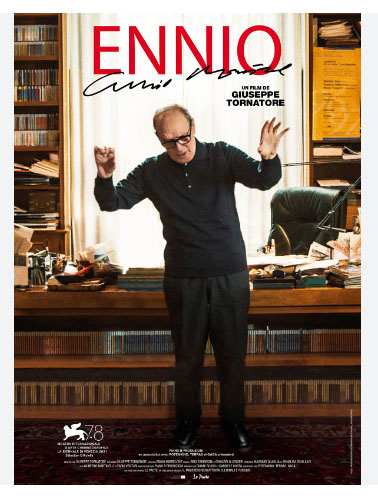
Ennio: The Maestro
Synopsis
An intimate, comprehensive biographical documentary exploring the monumental life, career, and creative genius of legendary Italian film composer Ennio Morricone. Directed by his longtime collaborator Giuseppe Tornatore, the film charts Morricone's humble beginnings in Rome through his revolutionary contributions to spaghetti westerns, dramas, and global cinema. Featuring extensive interviews with renowned filmmakers, musicians, and archival footage, the narrative reveals the relentless work ethic behind hundreds of timeless scores. It stands as a loving tribute to a true titan of musical history.
The Making of the Film
Director Giuseppe Tornatore embarked on this monumental documentary tribute to honor his dear friend and frequent creative partner Ennio Morricone. The production spanned several years, combining rare archival footage, personal reflections, and extensive interviews with international cinema legends. Filmmakers aimed to decode Morricone's unique creative process and institutional impact on modern film scoring. The project serves as the definitive visual autobiography of the maestro himself.
Critical Reception
Critics hailed the documentary as a magnificent, emotionally resonant masterpiece that does justice to one of cinema's greatest musical minds. Reviewers praised the exhaustive archival research, insightful director interviews, and the sheer joy of reliving Morricone's iconic melodies on screen. Some critics noted the generous runtime, yet argued that every minute was justified by the cultural depth of the subject. It was universally celebrated as an essential cinematic experience.
Audiences worldwide, from cinephiles to classical music lovers, embraced the documentary with profound admiration and emotional reverence. Viewers found the personal anecdotes and Morricone's own humility deeply inspiring and touching. The chance to hear the stories behind legendary scores like The Good, the Bad and the Ugly generated immense online appreciation. Many praised it as a masterclass in biographical filmmaking.
While feature documentaries rarely capture major mainstream Academy gold, the film swept international critic circles, winning the David di Donatello Award for Best Documentary. It earned critical acclaim at multiple European film festivals for its editing and direction. Giuseppe Tornatore's loving tribute was globally recognized as the ultimate definitive portrait of cinematic composition.
Behind-the-Scenes Stories
Director Giuseppe Tornatore was inspired by a lifelong friendship and decades of artistic collaboration with Ennio Morricone across masterpieces like Cinema Paradiso. He wanted to capture not just Morricone's famous Western themes, but his avant-garde conservatory roots and relentless musical experimentation. Archival access was granted directly through Morricone's personal archives and family collections.
Condensing a career spanning over five decades and more than five hundred film scores into a single documentary required rigorous editing discipline. Coordinating interviews with global cinematic icons like Quentin Tarantino, Clint Eastwood, and Wong Kar-wai demanded extensive scheduling efforts. Preserving and restoring degraded historical audio clips presented a major technical hurdle for the sound team.
During the interviews, Ennio Morricone himself sat at a table demonstrating how he composed legendary melodies using ordinary household items and unconventional instruments. Hearing the maestro hum his own arrangements on camera provided deeply emotional, unscripted highlights for the crew. These intimate musical demonstrations remain unforgettable moments for film fans.
The documentary featured an all-star lineup of interviewees including Clint Eastwood, Quentin Tarantino, Hans Zimmer, John Williams, and Bernardo Bertolucci. The curation of talking heads focused on artists directly influenced by Morricone's revolutionary style. Their heartfelt testimonials anchored the documentary in genuine global appreciation.
Themes Explored
The film explores the nature of genius, the intersection of avant-garde experimentation and popular art, and the relentless dedication required for mastery. It examines how music elevates visual storytelling across diverse cinematic genres. The narrative ultimately celebrates creative humility and lifelong artistic passion.
Ending Explained
The documentary concludes with a poignant, emotional montage of Ennio Morricone receiving his long-overdue Academy Award, surrounded by standing ovations from global film royalty. The maestro reflects on his life's work with quiet grace, expressing gratitude for the music he was able to share with humanity. The final moments leave viewers with the lingering, transcendent beauty of his melodies.
Meaning of the Title
The title "Ennio: The Maestro" directly honors the first name of the legendary composer, paired with the respectful title bestowed upon him by the global music community. It signifies authority, mastery, and timeless artistic excellence. The title encapsulates the monumental stature of the man behind the music.
Original Soundtrack
Composed entirely of Ennio Morricone's legendary catalog—ranging from The Good, the Bad and the Ugly and Once Upon a Time in the West to The Mission—the soundtrack is a transcendent tour de force. It serves as both the subject of the film and its emotional heartbeat, offering viewers a masterclass in cinematic composition.
Latest News
The film remains a celebrated cornerstone of documentary cinema and continues to inspire aspiring musicians and filmmakers worldwide.
Similar Films
Fans of music documentaries will enjoy Quincy (2018), The Beatles: Get Back (2021), Pavarotti (2019), and Scorsese-backed music retrospectives, all celebrating legendary creators.