

 Français
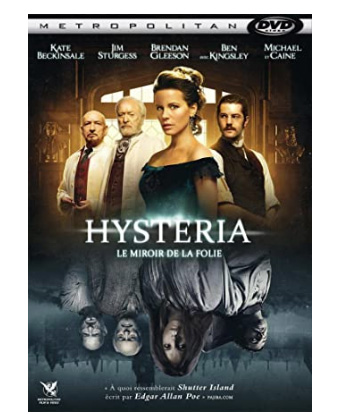
Eliza Graves
Synopsis
Set in Victorian England in 1899, a naive young medical school graduate named Edward Newgate arrives at Stonehearst Asylum to complete his psychiatric training. He is welcomed by the charismatic superintendent Dr. Silas Lamb, who showcases unconventional, highly permissive methods of treating mentally ill patients. Edward becomes romantically captivated by a stunning, cultured patient named Eliza Graves, who warns him that things at the asylum are deeply abnormal. As Edward investigates the hospital during a stormy night, he discovers a horrifying plot: the actual doctors have been imprisoned by the inmates, who are now running the asylum themselves.
The Making of the Film
Adapted loosely from Edgar Allan Poe's 1845 short story "The System of Doctor Tarr and Professor Fether," the film was directed by Brad Anderson as a gothic psychological thriller. Anderson sought to capture the eerie, atmospheric dread and moral ambiguity characteristic of Poe's literary works. The screenplay by Joe Gangemi explored Victorian psychiatric practices and institutional madness. Casting an ensemble of veteran actors like Kate Beckinsale, Jim Sturgess, and Ben Kingsley brought prestige to the gothic production.
Critical Reception
Critical reception for the film was generally mixed, with reviewers praising its lavish gothic set design, atmospheric tension, and strong lead performances. However, some critics felt the narrative pacing lagged and the plot twists were predictable to seasoned thriller fans. Audiences appreciated the classic gothic horror aesthetic, making it a modest performer on home video and streaming platforms. It is remembered as an atmospheric, period-appropriate psychological mystery.
Behind-the-Scenes Stories
The production was filmed on location in Bulgaria, utilizing historic grand European estates and soundstages to recreate a sprawling Victorian insane asylum. Kate Beckinsale and Jim Sturgess studied 19th-century medical history and psychiatric treatments to ground their performances. Ben Kingsley brought eccentric theatrical flair to his role as the deceptive superintendent. Director Brad Anderson utilized natural candlelight and moody shadows to heighten the gothic suspense.
Themes Explored
The film explores sanity versus madness, institutional corruption, deception, and Victorian psychiatric ethics. It highlights love transcending societal and medical boundaries, as well as hidden identities. Manipulation and oppression within asylums drive the dark narrative. It also touches upon justice.
Ending Explained
Edward helps Eliza and the imprisoned legitimate doctors escape the asylum during a violent uprising, exposing Dr. Lamb's dangerous delusions to the authorities. However, it is revealed that Eliza was actually entirely sane all along and plotted her own elaborate rescue from the abusive asylum staff with Edward's unwitting help. Edward returns to claim Eliza, and they leave the gothic estate together to start a new life. The conclusion provides a romantic, twist-filled resolution to the psychiatric mystery.
Meaning of the Title
The original title refers directly to the mysterious and captivating female protagonist, Eliza Graves, whose true mental state drives the central mystery. It symbolizes entrapment and allure. The name sets a gothic, character-driven suspense tone.
John Debney composed a haunting, gothic orchestral score featuring eerie violin melodies that amplified the psychological dread.
Shutter Island, The Ward, Stonehearst Asylum, A Cure for Wellness