

 Français
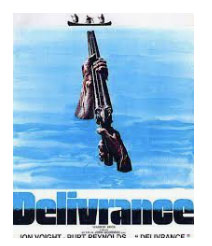
Deliverance
Synopsis
Seeking an authentic wilderness adventure before their local river is dammed, four Atlanta businessmen embark on a canoe trip down a remote Georgia river. Led by the rugged and survival-obsessed Lewis, the group expects a challenging weekend getaway in nature. However, their trip turns into a living nightmare when they encounter hostile, inbred mountain locals who subject them to a horrifying assault. Stranded deep in the wilderness, the civilized men must abandon their morals and embrace primal savagery to survive.
The Making of the Film
Director John Boorman adapted the bestselling novel of the same name by James Dickey, who also wrote the screenplay and appeared in a supporting role. The project was conceived as a brutal psychological thriller examining the thin veneer of civilization over human nature. Boorman insisted on shooting on location along the treacherous Chattooga River without using stunt doubles for the main actors. The production aimed for absolute realism, pushing the cast through genuine physical exhaustion and dangerous rapids.
Critical Reception
Critics offered overwhelming critical acclaim upon release, praising its harrowing suspense, breathtaking cinematography, and profound thematic depth. Reviewers lauded the powerhouse performances of Jon Voight and Burt Reynolds as civilized men tested by extreme wilderness terror. The film was celebrated for its uncompromising exploration of primal violence and the psychological cost of survival. It established itself instantly as a towering masterpiece of American 1970s cinema.
Audiences were deeply shocked, captivated, and unsettled by the visceral intensity and unflinching brutality of the wilderness survival tale. Viewers found the terrifying river scenes and moral dilemmas unforgettable, sparking intense cultural conversations about human nature. It became a major box-office hit, resonating deeply with moviegoers seeking gritty, adult dramas. The iconic banjo duel scene quickly entered popular culture as an unforgettable cinematic moment.
Deliverance received multiple Academy Award nominations, including Best Picture, Best Director, and Best Adapted Screenplay. It also earned nominations at the Golden Globe Awards across major acting and directing categories. The film's stunning cinematography and tight editing were widely recognized by international film critics associations. These prestigious accolades cemented its legacy as one of the defining cinematic achievements of the 1970s.
Behind-the-Scenes Stories
John Boorman was drawn to James Dickey's novel because it explored the primordial conflict between modern man and raw, untamed nature. He wanted to strip away the comforts of modern civilization to expose the dark, violent impulses lurking beneath the surface. The visual style utilized natural lighting, breathtaking river vistas, and claustrophobic forest framing to heighten the sense of isolation. The director also drew from classical wilderness survival myths and anthropological studies on human aggression.
Shooting on the wild and unpredictable Chattooga River proved to be extraordinarily dangerous for the cast and crew. None of the lead actors were experienced canoeists, and they performed their own harrowing stunts through Class III and IV rapids. Burt Reynolds suffered a severe tailbone injury during a violent spill from a canoe into the roaring water. The grueling physical demands and remote location testing made principal photography a legendary endurance test for everyone involved.
During the filming of the famous "Dueling Banjos" sequence, actor Ronny Cox played his guitar opposite a local mountain boy who could not read music. The spontaneous, authentic musical exchange became one of the most iconic and celebrated scenes in cinema history. In the terrifying wilderness assault sequence, the actors maintained intense emotional focus to convey genuine trauma. The physical exhaustion visible on the actors' faces during the final river stretch was entirely authentic due to the grueling shooting conditions.
Casting directors considered several major Hollywood stars, including Lee Marvin and Marlon Brando, before casting Burt Reynolds as the rugged outdoorsman Lewis. Jon Voight was chosen for the role of Ed Gentry because he could project both initial corporate vulnerability and eventual savage resilience. Author James Dickey insisted on playing the small role of the local sheriff to maintain creative oversight of the adaptation. The careful selection of urban actors ensured their transformation into terrified survivors felt completely convincing.
Themes Explored
The film heavily explores the fragile veneer of human civilization when stripped away by extreme wilderness survival. It examines the dark nature of violence, guilt, and how trauma reshapes the human psyche. Another core motif is the conflict between modern urbanity and rural isolation. It also touches upon masculinity, dominance, and the primal instincts required to stay alive against ruthless predators.
Ending Explained
The film concludes with the surviving men escaping the wilderness, burying their dark secrets, and returning to their normal suburban lives. A haunting final dream sequence involving a corpse rising from the river suggests that Ed Gentry will never truly escape his trauma. The men maintain a silent pact never to speak of the horrific events in the Georgia mountains. The chilling finish emphasizes that civilization is merely an illusion covering deep, unhealed psychological wounds.
Meaning of the Title
The title refers literally and metaphorically to the concept of deliverance from danger, moral corruption, and the wilderness itself. It invokes a sense of spiritual and physical salvation sought by men trapped in a nightmare. The single-word phrasing carries a powerful, ironic weight given the horrific trauma experienced by the characters. It encapsulates the desperate quest to escape the clutches of nature and their own inner darkness.
Similar films include Southern Comfort, The Grey, First Blood, and The Edge, which feature intense wilderness survival and human conflict.