

 Français
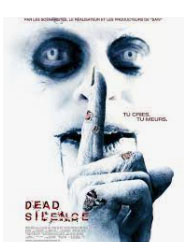
Dead Silence
Synopsis
After receiving a mysterious antique ventriloquist dummy named Billy on their doorstep, a young married couple experiences a horrific tragedy. When his wife is brutally murdered, grieving widower Jamie Ashen returns to his eerie hometown of Raven's Fair to investigate. He uncovers a dark local legend surrounding Mary Shaw, a vengeful ventriloquist executed decades earlier. As mysterious deaths plague the town, Jamie must uncover the terrifying truth behind the nursery rhyme that links them all.
The Making of the Film
Following the massive success of Saw, director James Wan and screenwriter Leigh Whannell wanted to pay homage to classic gothic ghost stories and killer doll movies. The project was conceived as a chilling supernatural horror film focused heavily on creepy atmosphere, practical effects, and folklore. Wan drew inspiration from classic Twilight Zone episodes, traditional ventriloquism lore, and old-school ghost tales. The filmmakers aimed to create a visually rich, old-fashioned haunting story that would stand apart from contemporary torture porn trends.
Critical Reception
Critics gave mixed reviews upon release, often praising its stylish gothic cinematography, eerie set designs, and effective jump scares. Reviewers noted that James Wan successfully established a spooky, atmospheric mood reminiscent of classic horror cinema. Some film critics, however, felt that the narrative relied too heavily on predictable genre clichés and thin character development. Despite mixed initial reviews, horror enthusiasts appreciated its commitment to old-school ghost story tropes.
Audiences embraced the film as a deliciously spooky and atmospheric modern ghost story with a memorable villain. Viewers praised the creepy design of the ventriloquist dummies and the haunting nursery rhyme that drives the plot. While it enjoyed a modest theatrical run, it found a much larger and appreciative audience on home video and streaming platforms. Fans frequently celebrate its chilling twists and distinct gothic aesthetic as an underrated gem.
Although major mainstream cinematic awards bypassed the horror release, it earned recognition within genre-specific fan communities. The distinct creature design of Mary Shaw and the atmospheric art direction received praise from horror film publications. James Wan's direction was commended for keeping the tension high throughout the supernatural investigation. These acknowledgments helped solidify its cult status among modern horror fans.
Behind-the-Scenes Stories
James Wan was heavily inspired by classic gothic horror films from Hammer Studios and vintage ghost story anthologies. He wanted to evoke the eerie feeling of old porcelain dolls and abandoned theaters shrouded in mist. The visual style utilized cold blue color palettes and shadowy lighting to heighten the sense of supernatural dread. The director also drew from traditional folklore surrounding cursed objects and vengeful spirits trapped in the physical world.
Crafting the intricate ventriloquist dummies to look genuinely terrifying required meticulous work from specialized prop and makeup artists. The production faced tight scheduling constraints while shooting in moody soundstages designed to mimic the foggy town of Raven's Fair. Crew members frequently joked about feeling unsettled by the numerous dummy replicas scattered around the set during breaks. Despite these spooky working conditions, the technical team successfully delivered a polished and atmospheric horror aesthetic.
During the filming of the eerie antique theater sequences, the crew utilized practical fog machines and physical marionette strings to enhance the dread. Actors reported feeling genuinely unnerved when rehearsing close-up scenes with the main Billy dummy on set. The iconic climax involving Mary Shaw required intricate physical rigging and special makeup effects that took hours to apply. The silence maintained on set during crucial scare moments helped the actors stay focused on the terror of the scene.
Casting directors searched for an approachable lead actor who could anchor the supernatural mystery with genuine emotional grief. Ryan Kwanten was chosen for the lead role of Jamie Ashen because of his earnest screen presence and emotional depth. Veteran actress Judith Roberts underwent grueling hours of makeup application to bring the terrifying visage of Mary Shaw to life. The supporting cast was selected to provide an air of suspicious small-town hostility toward the protagonist.
Themes Explored
The film explores themes of vengeance, curses passed down through generations, and the supernatural weight of unresolved trauma. It examines small-town secrets, collective guilt, and the danger of ignoring dark local legends. Another core motif is the uncanny nature of ventriloquist dummies and dolls mirroring human life. It also touches upon grief and the desperate lengths a person will go to uncover the truth behind a loved one's murder.
Ending Explained
The film concludes with the shocking twist that Jamie Ashen has already been killed by Mary Shaw, and the man speaking is actually a skin-wearing puppet manipulated by the ghost. Mary Shaw completes her ultimate revenge by silencing the entire bloodline in a gruesome final confrontation. Jamie's severed jaw hangs open, sealing his fate as the latest addition to her terrifying collection of dolls. The final chilling shot confirms that no one escapes the curse of Raven's Fair.
Meaning of the Title
The title refers directly to the central supernatural rule governing Mary Shaw's curse: if you scream when you see her, she will rip out your tongue. It highlights the eerie silence that must be maintained in the presence of the vengeful spirit and her dolls. The phrasing creates immediate dread and sets up the central horror mechanic of the narrative. It encapsulates both the literal curse and the terrifying fate awaiting the victims.
Similar films include Annabelle, Dead Silence, Child's Play, and The Woman in Black, which feature haunted objects and gothic ghost stories.