

 Français
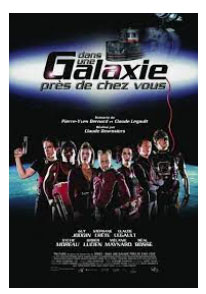
Dans une galaxie près de chez vous
Synopsis
In the year 2034, Earth is heavily polluted and facing imminent destruction, forcing the crew of the starship Romano Fafard to find a new habitable planet. Led by the utterly incompetent and cowardly Captain Patenaude, the eclectic crew embarks on a disastrous deep-space mission. From a malfunctioning navigation system to bizarre alien encounters, every day brings a new absurd catastrophe. Together, this dysfunctional family of space explorers must somehow save humanity despite themselves.
The Making of the Film
Following the massive success of the cult television series of the same name, creators Claude Legault and Pierre Brassard adapted the universe for the big screen. The film was conceived as a satirical sci-fi comedy that would poke fun at classic space opera franchises like Star Trek and Star Wars. Director Claude Desrosiers aimed to retain the deadpan humor and quirky charm of the television show while expanding the visual scale for theaters. The production team designed distinct retro-futuristic sets to honor the unique comedic tone of the original series.
Critical Reception
Résumé des critiques professionnelles : Critics praised the film for successfully translating a beloved television comedy format into a feature-length cinematic experience without losing its charm. Reviewers commended the sharp satirical writing, which parodied classic science fiction tropes with brilliant local humor and wit. The ensemble cast received high marks for their flawless comedic timing and chemistry, maintaining the characters fans loved. Some critics noted that the narrative structure felt a bit episodic, but overall acknowledged its entertainment value.
Réception du public : Audiences adored the cinematic continuation of their favorite space comedy, turning the film into a massive box-office hit in Quebec. Fans celebrated the return of iconic characters like Captain Patenaude, Bob Dieudonné Marcelo, and Flavien Bouchard. Quotable lines and absurd running gags were embraced enthusiastically by viewers of all ages across the province. It cemented its status as a cornerstone of modern Quebecois cinematic comedy.
Récompenses obtenues : While primarily a commercial comedy hit, the film received nominations at various domestic gala events for its popular appeal and box-office success. It won multiple audience choice awards, reflecting the deep affection fans held for the franchise. The production design and comedic performances were also celebrated by local film industry guilds. These honors highlighted the cultural impact of bringing a beloved television property to the big screen.
Behind-the-Scenes Stories
Inspirations du réalisateur : Claude Desrosiers drew heavy inspiration from classic satirical science fiction and absurd workplace comedies. He wanted the spaceship Romano Fafard to feel like a cramped, messy office building hurtling through the vacuum of space. The visual gags were influenced by classic slapstick cinema and vintage pulp science fiction magazines. The director worked closely with the writers to ensure the satirical commentary on society remained sharp and hilarious.
Difficultés de production : Bringing a television spaceship set to life for the big screen required building large, intricate physical soundstages on a limited budget. The actors frequently had to maneuver through tight, claustrophobic corridors while maintaining high-energy comedic performances. Special effects teams worked tirelessly to integrate practical creature effects with digital backgrounds seamlessly. Despite the technical constraints, the cast and crew maintained a famously lighthearted and collaborative atmosphere on set.
Anecdote sur une scène particulière : During the filming of the zero-gravity comedy sequences, actors had to perform elaborate physical stunts using hidden wires and harnesses. Cast members frequently laughed so hard during takes that director Claude Desrosiers had to call multiple cuts to reset the room. One particularly messy food-fight scene inside the spaceship galley required an entire day to clean and reset between takes. The genuine camaraderie among the cast translated directly into the chaotic comedic timing seen on screen.
Casting initialement prévu : The cinematic film retained the exact core television cast, as fans could not imagine any other actors playing the iconic roles. The ensemble featuring Guy Jodoin, Claude Legault, Sylvie Moreau, and Antoine Vézina was locked in from the very beginning of pre-production. Producers knew that the unique chemistry of the original television troupe was the primary selling point for the feature film. No alternative casting options were ever seriously considered for the main crew members.
Themes Explored
The film satirizes human bureaucracy, incompetence, and the absurdities of leadership in times of crisis. It explores themes of existential dread regarding climate change and planetary destruction through a lens of absurd comedy. Another major focus is the importance of found family, as the dysfunctional crew learns to rely on one another. Ultimately, it celebrates the power of resilience and humor in the face of insurmountable odds.
The film concludes with the crew miraculously stumbling upon a potentially habitable new planet after a series of hilarious navigational errors. While the landing does not go according to plan, the crew remains optimistic about humanity's future among the stars. Captain Patenaude manages to take accidental credit for the discovery, maintaining his hilarious delusion of grandeur. The final scene leaves the door open for future space misadventures as the Romano Fafard blasts off into the unknown.
The title translates directly to "In a Galaxy Near You," parodying the famous opening crawl of Star Wars ("In a galaxy far, far away..."). It establishes an immediate comedic tone by bringing epic space exploration down to a local, everyday level. The phrasing plays on the juxtaposition of cosmic grandeur with domestic mundanity. It serves as a brilliant ironic hook for the satirical sci-fi premise.
Similar films include Spaceballs, Galaxy Quest, and Mars Attacks!, which also parody classic science fiction tropes with absurd comedy.