

 Français
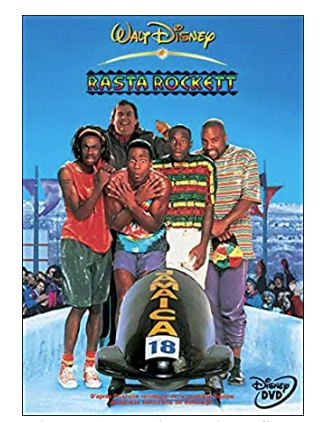
Cool Runnings
Synopsis
Inspired by an extraordinary true story, Cool Runnings follows four young Jamaican men who dream of competing in the Winter Olympics as bobsledders. With no experience of snow or winter sports, they recruit an unconventional coach, Irv Blitzer, a former American Olympic champion whose career has been damaged by scandal. Their preparations are filled with obstacles, misunderstandings and cultural differences. Despite being underestimated by their competitors, the four athletes gradually develop the skills and determination needed to qualify for the 1988 Winter Olympics in Calgary. Their journey becomes an inspiring adventure about friendship, perseverance and the courage to pursue an impossible dream.
The Film's Origins
Cool Runnings was inspired by the remarkable participation of the Jamaican bobsled team at the 1988 Winter Olympics in Calgary. The idea of a tropical nation competing in a sport traditionally associated with cold-weather countries immediately attracted the attention of Disney producers. The filmmakers saw an opportunity to transform this unusual sporting adventure into an entertaining comedy with a universal message. The screenplay was written by Lynn Siefert, Tommy Swerdlow and Michael Goldberg, drawing inspiration from real events while introducing fictional characters and situations. Director Jon Turteltaub wanted to create a film that would appeal to families without losing the emotional power of the athletes' achievement. The real Jamaican team had faced considerable skepticism and practical difficulties when preparing for the competition. The film therefore combines historical inspiration with Hollywood storytelling. Several characters, including coach Irv Blitzer, are fictional or substantially dramatized versions of the people involved. The result celebrates the spirit of an extraordinary sporting adventure rather than attempting to reproduce every historical detail.
Critical Reception
Cool Runnings received generally positive reviews from professional critics. Many appreciated its combination of physical comedy, emotional storytelling and uplifting sporting drama. John Candy was particularly praised for bringing warmth and humanity to the role of Irv Blitzer. The performances of Leon, Doug E. Doug, Rawle D. Lewis and Malik Yoba also contributed to the film's appeal. Some critics considered the screenplay predictable and noted that it relied on familiar sports-movie conventions. Nevertheless, its sincerity and accessible humor were widely appreciated.
The film became a considerable success with audiences, particularly families. Its humorous situations and inspiring message helped it reach viewers across different generations. The story of four Jamaican athletes challenging expectations proved especially memorable. Its popularity continued through television broadcasts and home-video releases. The film gradually became one of the best-known Disney sports comedies of the 1990s.
Cool Runnings did not receive major Academy Award nominations, but it earned lasting recognition as a popular sports comedy. Its cultural impact was particularly significant because it introduced many international viewers to the real Jamaican bobsled team. John Candy's performance is frequently remembered as one of the highlights of his later career. The film also contributed to the popularity of the Jamaican team beyond the Olympic sporting world.
Behind-the-Scenes Stories
Jon Turteltaub was attracted by the extraordinary contrast between Jamaica's tropical climate and the frozen world of competitive bobsledding. The director wanted to emphasize the determination of athletes who had chosen a sport that appeared completely unsuitable for their environment. He also wanted the characters to remain believable despite the exaggerated comic situations. The real Olympic adventure provided the emotional foundation for the film.
One of the main production challenges was recreating the atmosphere of the Winter Olympics while filming in locations that could provide suitable snow and ice. The production used several Canadian locations, including Calgary and surrounding areas. The actors also had to become familiar with the basic movements and techniques of bobsledding. Working with professional athletes helped make the sporting sequences more convincing.
The final Olympic race is the film's most memorable sequence. It was inspired by the real Jamaican team's accident during the 1988 competition, when their sled overturned near the end of the race. The filmmakers recreated the dramatic incident while giving it an emotional resolution centered on sportsmanship and solidarity. The scene deliberately emphasizes the athletes carrying their sled across the finish line rather than abandoning their dream.
John Candy was not initially an obvious choice for a Disney sports comedy, but his ability to combine humor and emotional sensitivity made him ideal for the role of Irv Blitzer. The four Jamaican athletes were played by Leon, Doug E. Doug, Rawle D. Lewis and Malik Yoba. Their contrasting personalities helped create the comic chemistry essential to the story. The casting also benefited from the actors' ability to convey friendship and determination.
Themes Explored
Cool Runnings explores perseverance, friendship and the courage to pursue dreams that initially appear impossible. The Jamaican team must overcome the skepticism of competitors and the practical difficulties of training for a winter sport in a tropical country. The film also examines prejudice and the tendency to judge people according to their origins rather than their abilities. Each athlete brings different strengths and weaknesses to the group. Their success depends on learning to trust one another and work as a team. Irv Blitzer's personal redemption is another important theme, as coaching the athletes allows him to confront his own past failures. The story questions the idea that victory is measured exclusively by medals and rankings. It celebrates determination, dignity and sportsmanship even when circumstances do not produce the expected result. The contrast between Jamaican culture and the traditional world of winter sports also creates a humorous reflection on cultural differences. Ultimately, the film suggests that the greatest achievement is sometimes having the courage to participate and give everything to a dream.
Ending Explained
The final race brings the Jamaican team to the most important moment of their Olympic adventure. Despite their determination, their sled crashes during the competition and they are unable to finish normally. Rather than abandoning the race, the four athletes lift their damaged sled and carry it across the finish line. This moment symbolizes their refusal to let an accident define their achievement. The spectators respond with admiration, recognizing the courage and solidarity displayed by the team. Irv also finds a form of personal redemption by helping the athletes accomplish something meaningful. The team does not win an Olympic medal, but it earns something more important in the film's moral universe: respect. Their participation challenges the assumptions of people who believed they did not belong in the competition. The ending transforms an apparent sporting defeat into an emotional victory. It also reflects the real Jamaican team's historic place in Olympic history. The final message is that success should be measured by effort, character and the courage to overcome obstacles.
Meaning of the Title
The title Cool Runnings comes from a Jamaican expression associated with positive wishes for a smooth and successful journey. It reflects the optimistic spirit of the four athletes as they prepare for an extraordinary challenge. The expression also connects the film to Jamaican culture and its distinctive way of expressing encouragement. Its simplicity contrasts with the technical complexity of competitive bobsledding. The title therefore represents both the physical journey of the team and their emotional development. It also conveys the film's central message about friendship, determination and staying positive in difficult circumstances.
Original Soundtrack
The soundtrack of Cool Runnings is an important part of the film's Caribbean identity. It features a mixture of reggae, dancehall and contemporary popular music that reinforces the Jamaican atmosphere. The musical selection includes contributions associated with Jimmy Cliff and other performers connected with Caribbean music. I Can See Clearly Now, performed by Jimmy Cliff, became particularly associated with the film and its optimistic message. The music contrasts with the cold Olympic environment and gives the story a distinctive energy. Its combination of reggae rhythms and uplifting melodies helps establish the film's warm and celebratory atmosphere.
Films with similar themes include Eddie the Eagle, The Mighty Ducks, Remember the Titans, Miracle, The Blind Side, Invictus, McFarland, USA and The Boys in the Boat. These films explore sporting challenges, teamwork, perseverance and individuals overcoming prejudice or difficult circumstances.