

 Français
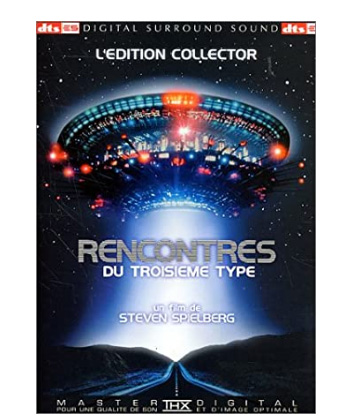
Close Encounters of the Third Kind
Synopsis
Roy Neary is an ordinary, blue-collar power company lineman living in Indiana whose life is turned upside down after experiencing a close encounter with a mysterious UFO during a massive power outage. Haunted by a strange, recurring mental vision of a flat-topped mountain peak, Roy becomes obsessed with sculpting the shape out of mashed potatoes and clay, slowly alienating his terrified family. Simultaneously, government scientists and grieving mother Jillian Guiler track strange aerial phenomena leading to Devil Tower, Wyoming. As colossal extraterrestrial motherships descend in a dazzling display of light and musical tones, humanity makes peaceful first contact with intelligent alien life.
The Making of the Film
Writer and director Steven Spielberg conceived the science-fiction masterwork inspired by his childhood fascination with UFOs and a short film he made as a teenager entitled Firelight. Following the colossal success of Jaws, Spielberg was given total creative freedom by Columbia Pictures to pursue his ultimate visionary alien contact project. The production aimed to replace terrifying alien invasion tropes with a message of peaceful wonder.
Critical Reception
Critics universally acclaimed Close Encounters of the Third Kind as a visionary, breathtaking, and emotionally transcendent masterpiece of science fiction cinema. Reviewers praised Steven Spielbergs awe-inspiring direction, groundbreaking visual effects by Douglas Trumbull, and John Williams iconic musical communication motif. The film was celebrated for capturing pure childhood wonder and cosmic optimism.
Public reception was phenomenal, turning the science-fiction epic into a massive global box-office blockbuster and a defining cultural phenomenon of the late 1970s. Audiences were mesmerized by the glowing mothership finale and emotional resonance. It remains an all-time classic.
The film won two Academy Awards—Best Cinematography for Vilmos Zsigmond and Best Sound Editing—and received eight total nominations, including Best Director for Steven Spielberg and Best Supporting Actress for Melinda Dillon. Its critical legacy is monumental.
Behind-the-Scenes Stories
Director Steven Spielberg drew inspiration from classic science fiction literature, government UFO disclosure lore, and childhood stargazing. He chose massive airplane hangars in Mobile, Alabama, to construct the colossal Devils Tower soundstage set. His direction encouraged Richard Dreyfuss to convey intense, manic obsession.
Production faced severe scheduling delays, budgetary overruns, and technical hurdles as special effects teams invented optical compositing techniques for the UFO lights. Richard Dreyfuss threw himself entirely into his role, nearly losing his voice during emotional screaming scenes. François Truffaut brought international prestige to his scientist role.
A memorable sequence involves the glowing mothership descending over Devils Tower and communicating with scientists using five distinct musical tones and flashing colored lights. The scene is one of the most magical climaxes in film history. The musical dialogue remains iconic.
The casting process brought together top-tier acting talent and real scientists. Steven Spielberg was determined to cast Richard Dreyfuss as Roy Neary despite studio hesitation. François Truffaut was cast as the French scientist Claude Lacombe, bringing wonderful intellectual warmth.
Themes Explored
The film explores first contact, cosmic wonder, obsession, communication across language barriers, and family sacrifice. It highlights how humanity longing for connection extends beyond the stars. Curiosity conquers fear of the unknown.
NULL
Meaning of the Title
The title refers directly to astronomer J. Allen Hynek classification system for UFO sightings, where a third kind event involves observing both a UFO and its alien occupants or direct interaction. It highlights the escalating contact.
NULL
NULL
Similar Films
Other similar films include E.T. the Extra-Terrestrial, Arrival, and Contact.