

 Français
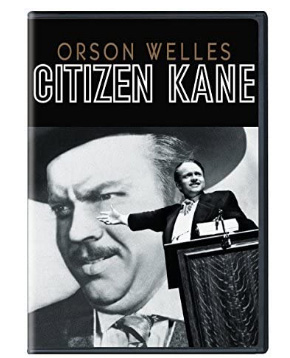
Citizen Kane
Synopsis
Following the lonely death of Charles Foster Kane—a fabulously wealthy, megalomaniacal American newspaper publisher—in his palatial Florida estate Xanadu, a reporter is assigned to uncover the meaning behind Kane's dying final word: 'Rosebud'. Through a series of investigative flashback interviews with Kane's former associates, wives, and business managers, the reporter pieces together the staggering rise and tragic fall of a charismatic media tycoon who built a vast empire through sensationalist yellow journalism, ran for governor, and ultimately retreated into bitter isolation. Despite exhaustive interviews, the true secret of Rosebud remains hidden from the reporters.
The Making of the Film
Director, co-writer, and star Orson Welles created this cinematic landmark at age twenty-five after signing an unprecedented contract with RKO Pictures granting him total creative freedom. Welles drew heavy inspiration from the sensationalist media empires of real-life newspaper barons William Randolph Hearst and Joseph Pulitzer.
Critical Reception
Professional critics universally acclaimed the film upon its 1941 release as an artistic triumph, though William Randolph Hearst's newspapers notoriously tried to suppress it.
The general public offered disappointing box office returns initially due to Hearst's media boycott, but over decades it has been crowned by critics worldwide as the greatest film ever made in cinema history.
The film won the Academy Award for Best Original Screenplay, alongside eight additional Oscar nominations.
Behind-the-Scenes Stories
Director Orson Welles drew inspiration from German expressionist cinema, deep-focus cinematography techniques, and theatrical magic tricks. Production required pioneering visual effects, including optical ceiling sets, miniature models, and deep-focus camera lenses supervised by cinematographer Gregg Toland.
During the filming of the vast Xanadu estate scenes, Welles utilized innovative wide-angle perspectives.
Initially, Welles brought his entire Mercury Theatre radio ensemble to Hollywood to populate the groundbreaking cast.
Themes Explored
The film explores media mogul power, loneliness at the top, corruption of ambition, the loss of childhood innocence, and the enigma of human memory.
Ending Explained
The ending reveals to the audience—while remaining unknown to the investigative reporters—that 'Rosebud' was the brand name of the childhood sled Kane was playing with the day he was taken away from his mother.
Meaning of the Title
The title 'Citizen Kane' emphasizes the populist, newspaper-publishing identity of the protagonist juxtaposed against his immense, lonely dynastic wealth and power.
Similar Films
All the King's Men, The Aviator, Nightcrawler, The Social Network