

 Français
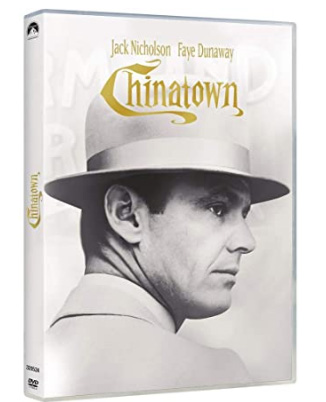
Chinatown
Synopsis
Set in 1937 Los Angeles, cynical private detective Jake Gittes is hired by a mysterious woman to expose her husband's suspected infidelity. The case takes a dark turn when the real woman appears, revealing she was tricked and that her husband has been murdered amid a massive municipal water scandal. Gittes digs deeper into the labyrinthine conspiracy involving land grabs, corporate greed, and powerful water mogul Noah Cross. As he falls in love with the victim's enigmatic wife Evelyn Mulwray, Gittes uncovers a horrifying web of incest and corruption that leads straight back to Chinatown.
The Making of the Film
Screenwriter Robert Towne was inspired by historical accounts of the notorious 1900-1907 California water wars orchestrated by William Mulholland to supply Los Angeles. Director Roman Polanski collaborated closely with Towne to craft a meticulously paced, bleak neo-noir masterpiece that subverted traditional detective tropes. The production was fraught with intense creative friction between Polanski and star Jack Nicholson, particularly regarding the shocking, uncompromising conclusion. Paramount Pictures supported the high-profile period production, ensuring authentic 1930s art direction and cinematography by John A. Alonzo.
Critical Reception
Upon its release, Chinatown was hailed as a cinematic masterpiece and one of the finest neo-noir thrillers ever produced. Critics lauded Robert Towne's brilliant, intricate screenplay, Polanski's masterful suspense direction, and Jack Nicholson's career-best performance. Reviewers praised the film's atmospheric recreation of sun-drenched Los Angeles corruption and Jerry Goldsmith's haunting, mournful musical score. Audiences embraced the mystery and its devastating emotional conclusion, driving strong box office numbers. Viewers were captivated by its cynical worldview, complex characters, and shocking revelations that shattered Hollywood happy endings. The film received eleven Academy Award nominations, winning the Oscar for Best Original Screenplay, alongside numerous international accolades.
Behind-the-Scenes Stories
Roman Polanski drew inspiration from classic 1940s detective films and his own sense of fatalistic dread, intentionally altering the original script's hopeful ending. Production difficulties included infamous clashes on set between Polanski and star Faye Dunaway regarding character motivations and exhausting shooting schedules. A brutal scene where Gittes' nose is sliced open with a switchblade was directed by Polanski himself using a real prop knife. The initial casting for Evelyn Mulwray considered Jane Fonda and Ali MacGraw before Faye Dunaway took the iconic role.
Themes Explored
The film explores systemic municipal corruption, institutional greed, and the destructive nature of unchecked power. It delves deeply into dark familial secrets, incest, trauma, and the inescapable tragedy of fate.
Ending Explained
The tragic climax in Chinatown occurs when Evelyn tries to flee with her daughter-slash-sister to protect her from Noah Cross, only to be shot and killed by police. Cross calmly takes custody of the traumatized young girl, while a heartbroken Gittes is led away by his associates with the chilling warning, 'Forget it, Jake, it's Chinatown.' This devastating finale reinforces the theme that powerful men always escape justice and some corruption is too vast to overcome.
Meaning of the Title
The title 'Chinatown' serves as both a physical location in Los Angeles where Gittes suffered past professional failure and a metaphorical state of lawless confusion where justice fails.
Original Soundtrack
Jerry Goldsmith composed a haunting, sensual trumpet-driven score in a remarkably short timeframe that received an Academy Award nomination and remains legendary.
Similar Films
'L.A. Confidential', 'The Long Goodbye', and 'The Conversation' share similar neo-noir cynicism, intricate conspiracy plots, and atmospheric tension.