

 Français
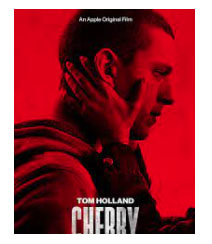
Cherry
Synopsis
This gritty, sprawling, stylistic crime drama film follows Cherry, a disillusioned young college student in Ohio who impulsively drops out of school and enlists in the United States Army after his true love Emily abruptly breaks his heart. Deployed to Iraq as an army medic, Cherry endures unspeakable wartime trauma, witnessing horrific combat deaths that fracture his psyche permanently. Returning home to civilian life with severe, undiagnosed post-traumatic stress disorder, Cherry becomes hopelessly addicted to prescription opioids, dragging Emily down into addiction with him. To fund their escalating drug habits, a desperate Cherry turns to robbing local banks. It is a wildly ambitious, tragic descent into addiction and crime.
The Making of the Film
The project originated from visionary directors Anthony and Joe Russo—fresh off their historic box-office dominance with Marvel's 'Avengers: Endgame'—seeking to adapt Nico Walker's acclaimed, semi-autobiographical 2018 novel 'Cherry' as their passionate first independent directorial venture outside the MCU. The Russos sought to craft a visually flamboyant, genre-shifting cinematic epic exploring the opioid crisis, veteran PTSD, and bank robbery through distinct stylistic chapters. Inspiration was drawn from real-world Rust Belt opioid addiction, classic war trauma memoirs, and indie cinema traditions. The creative team aimed to produce a bold, uncompromised masterpiece.
Critical Reception
Critics offered mixed-to-negative reviews, panning the film's frantic, over-the-stylish direction, jarring tonal shifts across multiple genres, and excessive cinematic gimmicks that overshadowed its serious subject matter, though Tom Holland's powerhouse lead performance received widespread praise. Reviewers noted that while Holland gave his absolute all to portray a traumatized soldier descending into heroin addiction, the script felt bloated and derivative of better addiction films like 'Trainspotting' or 'The Basketball Diaries'. Despite critical panning, it drew massive streaming viewership on Apple TV+.
Audience reception was mixed, drawing solid digital streaming numbers while dividing fans regarding its extravagant visual style and dark subject matter. Viewers on public platforms praised Tom Holland's intense physical and emotional transformation, gritty bank-robbery scenes, and Ciara Bravo's supporting performance. Fans of the Russo brothers appreciated their ambitious stylistic risks. Word-of-mouth sustained quiet home video popularity.
Awards season brought no major mainstream nominations, though the film received occasional recognition at popular entertainment showcases for its makeup styling and lead actor performance. Critics' associations acknowledged Tom Holland's fearless dramatic commitment. While it did not alter the landscape of cinema, it maintained a passionate fan base among Tom Holland enthusiasts.
Behind-the-Scenes Stories
The director drew visual inspiration from classic Martin Scorsese crime films, psychedelic art-house cinema, and gritty documentary war photography to establish a wildly shifting aesthetic. Every chapter of Cherry's life—from his college romance to the sun-bleached Iraqi desert, the sterile medical tents, and the neon-lit bank heists—was filmed using completely different color grading, camera lenses, and aspect ratios to reflect his mental state. The production team collaborated with veterans and addiction counselors to ensure that combat medic PTSD and opioid withdrawal symptoms looked authentic. These artistic choices created a surreal cinematic world.
Production presented intense logistical challenges, requiring Tom Holland to undergo a drastic physical transformation, losing thirty pounds to portray a starving heroin addict before gaining muscle back for military scenes. Ciara Bravo brought fierce emotional vulnerability to her role as Emily. Shooting on location in Cleveland, Ohio required careful weather management. Furthermore, maintaining strict narrative continuity across wildly shifting stylistic chapters demanded obsessive editorial focus from the Russo brothers.
During the filming of the frantic bank-robbery sequences, Tom Holland executed his panic-stricken stick-up scenes amidst panicked tellers with total professional commitment. To maintain authentic tension, the Russos utilized tracking shots and breaking-the-fourth-wall narration. The crew utilized expressionist lighting. This rigorous dedication resulted in standout dramatic moments.
Casting was anchored by securing global superstar Tom Holland in a gritty, shocking departure from his Spider-Man persona, alongside talented actress Ciara Bravo as Emily. Supporting roles featured Jack Reynor, Michael Gandolfini, and Forrest Goodluck. This star-studded casting strategy drove massive initial Apple TV+ streaming visibility.
Themes Explored
The narrative deeply explores themes of military PTSD, the devastating American opioid crisis, and the destructive cycle of bank robbery driven by addiction. It examines lost youth, trauma in war zones, and codependent romantic destruction. Additionally, it highlights redemption, prison life, and surviving rock bottom. Ultimately, the film reflects on pain, survival, and finding light after total darkness.
Ending Explained
Cherry finally completes his lengthy prison sentence and walks out into the sunlight where Emily is waiting for him, having both achieved long-term sobriety and survived the darkest chapters of their lives together. In the poignant final shot, the couple shares a quiet, emotional embrace on a sidewalk. The hopeful resolution underscores the possibility of healing after total destruction.
Meaning of the Title
The title directly references both the protagonist's military and criminal nickname ("Cherry") and his innocence lost before the war.
Similar Films
Films sharing similar opioid addiction, war PTSD, and crime drama themes include The Basketball Diaries (1995), Requiem for a Dream (2000), and Trainspotting (1996).