

 Français
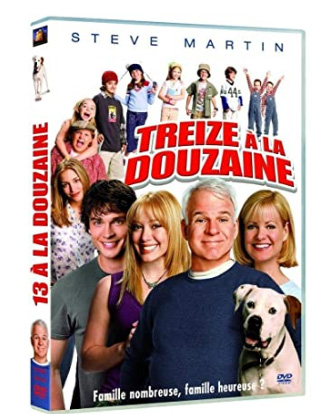
Cheaper by the Dozen
Synopsis
Based on the autobiographical bestseller, this heartwarming comedy follows the eccentric and loving Gilbreth family, consisting of parents Frank and Lillian and their twelve children. Frank Gilbreth is a pioneering efficiency expert who applies his industrial motion-study techniques to running his massive household with military precision and comedic chaos. As the children grow older, they often rebel against their father's strict schedules and quirky public rules, leading to humorous and touching family dynamics. Through sudden life-altering tragedies and triumphs, the family learns the true value of love, adaptability, and emotional support.
The Making of the Film
The film is based on the 1948 biographical memoir of the same name written by Ernestine Gilbreth Carey and Frank Gilbreth Jr., who chronicled their extraordinary childhood. Director Walter Lang was brought on by 20th Century Fox to adapt the heartwarming source material into a vibrant Technicolor family comedy. The production aimed to faithfully recreate the bustling atmosphere of a household with twelve children while balancing genuine emotional depth with lighthearted humor. Screenwriter Nunnally Johnson successfully translated the book's nostalgic tone and structural charm into a cohesive cinematic narrative.
Critical Reception
Critics welcomed Cheaper by the Dozen as a delightful, wholesome, and surprisingly touching family comedy that avoided overly sentimental clichés. Reviewers highlighted Clifton Webb's brilliant comedic timing and commanding screen presence as the eccentric patriarch, alongside Myrna Loy's grounded performance. The film was praised for its gorgeous Technicolor cinematography and its ability to capture both the hilarious logistical nightmares and profound warmth of a large family. Audiences flooded theaters, making it one of the top-grossing films of 1950 and cementing its status as a beloved family classic. Viewers appreciated the film's gentle humor, relatable family struggles, and the nostalgic portrayal of mid-century American domestic life. Its enduring appeal has made it a touchstone for multi-generational family viewing over the decades. While it did not sweep major awards, Clifton Webb earned widespread acclaim and a Golden Globe nomination for his unforgettable performance, and the film was honored for its family-friendly cinematic contribution.
Behind-the-Scenes Stories
Director Walter Lang was heavily inspired by real archival photographs and home anecdotes provided by the actual Gilbreth siblings during pre-production. Production faced logistical challenges in coordinating scenes involving dozens of child actors and animals, requiring immense patience from the crew. A memorable scene involving family photography captured authentic, unscripted chaos among the child actors, adding genuine charm to the final cut. Clifton Webb initially had reservations about working with so many children on set, but he eventually formed warm, mentoring relationships with the young cast members.
Themes Explored
The film explores the delicate balance between professional discipline and domestic warmth, questioning whether efficiency can truly govern human emotions. It highlights the importance of open communication, mutual respect, and love during times of sudden transition and loss. Furthermore, it celebrates the unique bonds of sibling loyalty and parental dedication.
Meaning of the Title
The title 'Cheaper by the Dozen' is a playful reference to a running family joke used by the father, suggesting that buying in bulk and raising children in large quantities offers economic savings.
Similar Films
'Father of the Bride', 'Please Don't Eat the Daisies', and 'Yours, Mine and Ours' explore similar comedic family dynamics and parental chaos.