

 Français
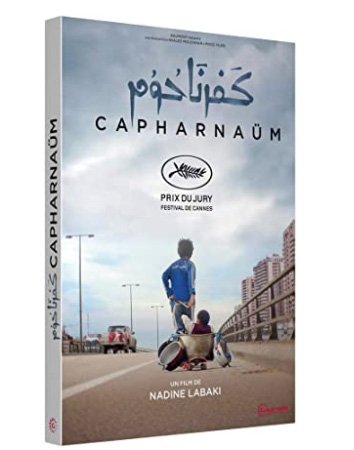
Capernaum
Synopsis
Zain, a resilient 12-year-old boy living in the impoverished slums of Beirut, is serving a prison sentence for committing a violent crime. From his jail cell, he decides to sue his negligent parents for the very act of bringing him into a world filled with suffering and neglect. Through a series of sweeping flashbacks, the narrative reveals the harrowing daily struggles Zain faced while trying to protect his younger siblings. His journey exposes a harsh urban landscape marked by poverty, exploitation, and the indomitable human spirit of children surviving against impossible odds.
The Making of the Film
Director Nadine Labaki was inspired to make the film after witnessing the harsh realities of street children in Beirut and feeling a profound sense of anger and helplessness. The project involved over three years of intensive research, working closely with social workers, refugees, and juvenile detention centers to ensure authentic storytelling. Labaki chose to cast non-professional actors from similar socio-economic backgrounds to bring raw, lived-in truth to every performance. The goal was to give a voice to the voiceless and highlight systemic failures regarding child welfare.
Critical reception
Professional critics praised the film for its raw emotional power, stunning neo-realist aesthetic, and the astonishing lead performance of child actor Zain Al Rafeea. Reviewers commended director Nadine Labaki for tackling a devastating social issue without resorting to sentimentality or melodrama. It earned widespread international acclaim, moving audiences and critics alike with its unflinching portrayal of survival and human dignity in extreme poverty.
Public reception was deeply emotional, prompting standing ovations at major international film festivals and strong box office results worldwide for an independent drama. Viewers expressed profound shock and empathy, sparking widespread conversations about refugee crises and child protection rights. Word-of-mouth recommendations turned the movie into a global cultural touchstone.
Awards and honors included an Academy Award nomination for Best Foreign Language Film and the Jury Prize at the Cannes Film Festival, among many other international accolades. Its critical and commercial success established it as a landmark work of socially conscious cinema.
Shooting anecdotes
Director Nadine Labaki drew heavy inspiration from Italian neorealism and documentary filmmaking techniques to capture the unfiltered reality of street life in Beirut.
Production was exceptionally grueling and protracted, taking months of on-location shooting in impoverished neighborhoods with a largely amateur cast whose real-life experiences mirrored their characters.
During the emotionally intense courtroom scenes, young actor Zain Al Rafeea drew upon his own background and improvised expressions of frustration that brought the crew to tears on set.
Initial casting required extensive scouting across underprivileged communities in Lebanon, eventually discovering the lead star working on the streets before bringing him into a specially designed acting workshop.
Themes explored
The film explores the devastating impact of poverty, child neglect, systemic indifference, and the refugee crisis in the Middle East. It raises profound ethical questions about parental responsibility and the right of every child to a safe, dignified upbringing. It also highlights solidarity, resilience, and compassion among the most marginalized members of society.
Explanation of the ending
The ending provides a rare moment of genuine hope as Zain finally smiles for an official identification photo after a long ordeal, marking a symbolic reclaiming of his identity. It closes on a bittersweet note, reminding viewers of the ongoing struggle faced by countless children worldwide while acknowledging the power of fighting for justice.
Meaning of the title
The title refers to the biblical town of Capernaum, which fell into ruin, and in modern French usage ('caperharnaüm'), denotes a place of profound chaos, disorder, and confusion.
The emotionally resonant original score composed by Khaled Mouzanar received special praise for elevating the film's tragic narrative with soaring, heartbreaking orchestral themes that amplified its humanitarian message.
Slumdog Millionaire, City of God, The Florida Project, Pixote