

 Français
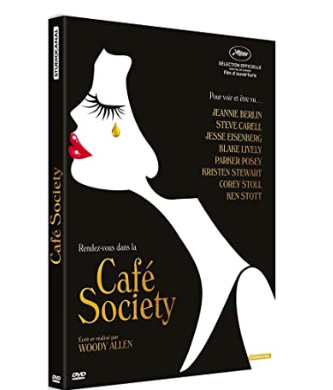
Café Society
Synopsis
Set in the 1930s, a young idealistic New York man leaves his eccentric family behind and travels to Hollywood hoping to find success in the film industry working for his powerful uncle, a major talent agent. While navigating the glamorous, star-studded world of movie moguls and high society, he falls deeply in love with his uncle's sweet, down-to-earth secretary. After a heartbreaking romantic rejection, he returns to New York and transforms into a suave, wealthy nightclub manager presiding over the vibrant café society nightlife. However, his past love reenters his life, sparking lingering nostalgia and unspoken passion.
The Making of the Film
Writer and director Woody Allen conceived the romantic comedy-drama as a nostalgic, golden-age tribute to 1930s Hollywood and New York cafe society culture. The inspiration stemmed from Allen's lifelong fascination with jazz music, old Hollywood glamour, and bittersweet romance. The production team aimed to capture a luminous period aesthetic utilizing glowing vintage cinematography by Vittorio Storaro. The script was carefully structured around dual contrasting milagrous settings in New York and Los Angeles.
Critical and Reception
Professional critics gave mixed-to-positive reviews, praising Vittorio Storaro's breathtaking digital cinematography, the gorgeous period wardrobe, and Jesse Eisenberg and Kristen Stewart's charming lead performances, while noting familiar Allen thematic tropes. Audiences appreciated the nostalgic atmosphere and bittersweet romance, resulting in a successful specialty box-office run. The movie opened the Cannes Film Festival to warm applause. It secured a strong reputation among fans of Allen's romantic filmography.
Filming Anecdotes
Director Woody Allen drew inspiration from classic 1930s cinema, jazz history, and personal memories of Manhattan nightlife. Production faced scheduling adjustments when actor Bruce Willis departed the project early on, leading to Steve Carell seamlessly stepping into the talent agent role. During the glamorous nightclub and studio lot sequences, vintage automobiles and authentic period costumes were utilized extensively. The studio fully supported Allen's distinct visual and narrative vision.
Themes Explored
The film explores unrequited love, nostalgia, ambition, the glittering superficiality of high society, and regret. It examines how paths not taken haunt individuals throughout their lives. Romance versus career success serves as the central emotional conflict. Additionally, 1930s jazz culture provides an immersive soundtrack.
Explanation of the Ending
The narrative concludes on New Year's Eve with the former lovers attending separate glittering parties in New York and Los Angeles, both staring wistfully into the distance as they share a silent, telepathic moment of nostalgic reflection across the continent. Returning to their respective wealthy lives, they acknowledge that some loves remain eternally suspended in memory. The final shots capture their quiet, bittersweet resignation. The resolution provides a melancholy, poetic closure to the romance.
Meaning of the Title
The title refers directly to the exclusive 'cafe society' upper-class social scene of artists, writers, aristocrats, and celebrities frequenting fashionable cafes and nightclubs in 1930s New York and Hollywood. It signifies glamour, wealth, and elite nightlife. The name creates a sophisticated, nostalgic hook for a period drama. It captures the primary social setting of the narrative.
There are no recent major developments or active news items regarding this film.