

 Français
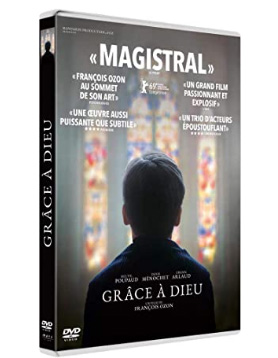
By the Grace of God
Synopsis
Set in Lyon, France, a happily married middle-class father named Alexandre discovers by chance that the aging Catholic priest who abused him as a scout leader decades ago is still working with children in the local diocese. Horrified, Alexandre contacts other adult victims and forms a support group called La Parole Libérée to demand institutional accountability from the church hierarchy, led by Cardinal Barbarin. As they battle administrative stonewalling, legal hurdles, and emotional trauma, their collective courage sparks a massive national scandal regarding clerical abuse concealment.
The Making of the Film
Director François Ozon crafted the urgent, ripped-from-the-headlines drama based on the real-life legal battle of survivors in Lyon fighting the Archdiocese. Producers operated with acute sensitivity and journalistic rigor, consulting closely with real victims' associations during screenplay development. The production utilized authentic urban locations across Lyon. Melvil Poupaud, Denis Ménochet, and Swann Arlaud anchored an exceptional ensemble cast. Mandarin Films backed the prestige French production.
Critical Reception
Critics showered the film with widespread critical acclaim, praising François Ozon's restrained direction, powerful ensemble performances, and the moral urgency of the subject matter. Reviewers lauded the film for treating a delicate, explosive topic with profound dignity, intellectual clarity, and procedural tension. Audiences in France responded with deep emotional gravity, driving strong box office returns. It won the Silver Bear Grand Jury Prize at the Berlin International Film Festival. It stands as a masterclass.
Behind-the-Scenes Stories
François Ozon drew visual inspiration from investigative docudramas and procedural legal thrillers like Spotlight. The actors spent time speaking with real members of La Parole Libérée to understand the psychological weight of their legal crusade. During filming in Lyon, church authorities declined cooperation, but local municipal offices assisted production. The screenplay was updated right up to trial verdicts.
Themes Explored
The narrative explores institutional clerical abuse, cover-ups, survivor solidarity, systemic accountability, and justice. It examines how collective courage shatters decades of bureaucratic silence. Furthermore, it highlights truth.
Ending Explained
Legal trials proceed against church officials, and while institutional reform remains agonizingly slow, the survivors find deep personal healing and solidarity through their shared crusade. A powerful, sobering moral resolution closes the film.
Meaning of the Title
The French title 'Grâce à Dieu' translates to 'By the Grace of God', used ironically to highlight institutional hypocrisy versus genuine human conscience.
Other investigative journalism and institutional accountability dramas such as Spotlight, The Post, and The Children Act.