

 Français
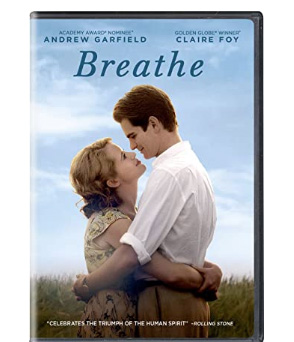
Breathe
Synopsis
Based on a true story, the film follows Robin Cavendish, an adventurous Englishman who is paralyzed by polio at the age of twenty-eight while living in Kenya. Given only months to live, he and his devoted wife Diana refuse to accept a bleak institutionalized existence confined to a hospital bed. With the help of friends and an inventive inventor, Robin pioneers revolutionary mobility equipment that transforms the lives of disabled individuals worldwide. Their inspiring journey becomes an extraordinary testament to enduring love, defiance, and human perseverance against impossible odds.
The Making of the Film
Producer Jonathan Cavendish conceived the biographical drama to honor the remarkable life of his parents, Robin and Diana Cavendish, whose pioneering spirit changed disability advocacy. Director Andy Serkis was approached to helm the project, drawn to the deeply emotional narrative of triumph over profound physical adversity. The screenplay was written by William Nicholson, who worked closely with the family to capture authentic historical details and emotional nuances. The production sought to celebrate how ordinary people can spark global revolutions through sheer willpower and devotion.
Critical Reception and Reviews
Professional Critic Reviews
Critics offered generally positive reviews, praising the film's powerful emotional core, sensitive direction, and standout performances by Andrew Garfield and Claire Foy. Reviewers commended the movie for avoiding overly sentimental tropes, opting instead for a dignified, inspiring portrait of resilience and partnership. Some critics noted that the narrative occasionally glossed over the harsher institutional hurdles faced by polio patients. Overall, it was regarded as a moving and visually polished biographical tribute.
Public Reception
Audiences responded with profound emotional warmth, deeply moved by the uplifting love story and the triumphant spirit of technological innovation. Viewers praised the film for its inspirational message and the remarkable chemistry between the lead actors. Word-of-mouth recommendations helped it resonate strongly with drama enthusiasts worldwide.
Awards and Honors
'Breathe' received recognition at various international film festivals and British independent award ceremonies for its outstanding costume design, makeup, and lead acting performances. Andrew Garfield and Claire Foy earned critical accolades for their deeply affecting portrayals of the Cavendish couple.
Filming Anecdotes
Director's Inspirations
Director Andy Serkis drew inspiration from classic British period dramas and documentaries detailing the history of disability rights movements. He wanted the visual palette to transition from vibrant, sun-drenched Kenyan landscapes to sterile English hospital wards, reflecting Robin's sudden confinement. The focus remained tightly on human expressions and tactile intimacy.
Production Difficulties
Recreating period-accurate 1950s medical equipment and customized wheelchairs demanded rigorous technical design and historical oversight from the prop department. Andrew Garfield faced immense physical challenges portraying a paralyzed patient while conveying rich emotional states primarily through facial expressions and voice inflection. Coordinating international location shoots across Kenya and England required meticulous logistical planning.
Particular Scene Anecdote
The emotional dinner party scene where Robin first returns home in his specialized wheelchair was filmed with genuine tension among the supporting cast to capture real apprehension. Andrew Garfield spent weeks consulting with disability advocates and medical experts to ensure his physical posture and breathing mechanics were authentic. Crew members maintained a supportive, respectful atmosphere on set during the most vulnerable dramatic setups.
Initial Casting Choices
Andrew Garfield was the filmmakers' first choice to portray Robin Cavendish, bringing immense charisma and dramatic vulnerability to the role. Claire Foy was cast as Diana, adding fierce loyalty and emotional strength to the central partnership. The supporting cast was populated with esteemed British character actors to anchor the period setting.
Themes Explored
The film explores the triumph of human agency and love over profound physical disability and societal limitations. It examines the revolutionary impact of grassroots medical innovation and caregiver advocacy. Another major theme is the refusal to surrender dignity in the face of terminal medical prognoses. Ultimately, it celebrates the power of partnership and hope.
Explanation of the Ending
The story concludes with Robin living a full, empowered life surrounded by his loving family and international colleagues, having successfully championed mobility rights for the disabled. Knowing his pioneering work has permanently altered the medical landscape, he chooses to end his life on his own terms with dignity and peace. The final scenes show Diana and their son carrying forward his legacy of courage and innovation. It signifies that true freedom is measured by the quality and purpose of one's existence.
Meaning of the Title
The title 'Breathe' carries a profound double meaning, referring both to the mechanical respirator that initially saved Robin's life and the metaphorical breath of freedom he reclaimed. It symbolizes life, autonomy, and the basic human right to exist outside hospital confinement. The concise single-word title underscores the central thematic struggle of survival.
["The Theory of Everything", "My Left Foot", "The Diving Bell and the Butterfly"]