

 Français
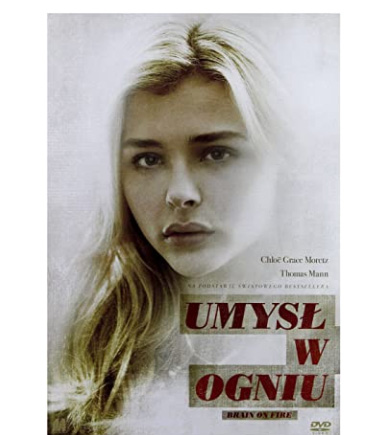
Brain on Fire
Synopsis
Susannah Cahalan is a vibrant, ambitious 24-year-old journalist working at the New York Post whose promising career and life are suddenly derailed by a mysterious illness. She begins experiencing terrifying hallucinations, severe paranoia, memory loss, and erratic behavior that baffle doctors who misdiagnose her with bipolar disorder or psychosis. As her mental and physical health rapidly deteriorate, her devoted family fights tirelessly to find answers before she is permanently institutionalized. A brilliant neurologist finally uncovers the true rare autoimmune condition attacking her brain, leading to a miraculous path toward recovery. Her harrowing memoir sheds light on invisible medical struggles.
The Making of the Film
Director Gerard Barrett adapted the film from Susannah Cahalan's bestselling autobiographical memoir chronicling her terrifying battle with anti-NMDA receptor encephalitis. The filmmaker was drawn to the urgent medical mystery and the emotional toll of misdiagnosis on a young woman and her family. Charlize Theron came on board as a producer to help champion the important health awareness project. The production aimed to accurately portray the frightening confusion of neurological illness.
Critical Reception
Professional reviews were mixed, with critics praising Chloë Grace Moretz's committed and emotional lead performance depicting the harrowing mental decline. However, many reviewers felt that the narrative structure followed predictable medical drama clichés and failed to fully capture the profound psychological complexity of the real memoir. While heartfelt and well-intentioned, it received modest critical notice.
Public reception was appreciative among viewers seeking inspiring true medical stories and fans of the original book. Audiences connected emotionally with the family's unwavering support and the triumphant recovery. Word-of-mouth helped it find a steady audience on streaming platforms.
Awards recognition was minimal, though Moretz's physical and emotional dedication to portraying the illness received praise from health advocacy groups.
Shooting anecdotes
Director Gerard Barrett drew inspiration from classic medical biographical dramas and psychological accounts of neurological disorders.
Production encountered logistical challenges staging realistic hospital ward sequences and tracking the rapid physical degeneration of the protagonist.
During intense seizure and hallucination scenes, Chloë Grace Moretz underwent rigorous physical preparation to ensure realistic portrayal.
Initial casting brought in Chloë Grace Moretz, who passionately championed the project to bring awareness to the rare autoimmune disease.
Themes explored
The film explores medical mystery, mental health stigma, misdiagnosis, family devotion, and resilience. It examines how fragile human cognition can be when attacked by physical illness. It also highlights perseverance.
Explanation of the ending
The resolution follows Susannah's successful diagnosis and intensive medical treatment, allowing her to slowly regain her cognitive faculties, return to work, and write her life-changing book. It closes on an uplifting note celebrating medical science and familial love.
Meaning of the title
The title refers metaphorically to the neurological inflammation attacking the protagonist's brain, creating a sensation of being consumed by internal fire.
The Theory of Everything, Still Alice, Awakenings, Temple Grandin