

 Français
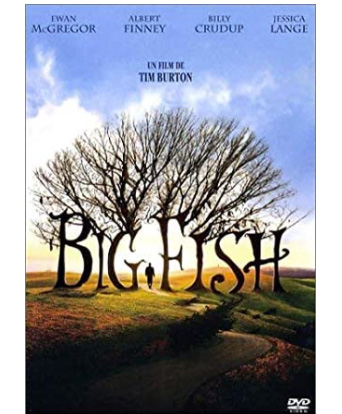
Big Fish
Synopsis
Will Bloom returns home to Alabama to reconcile with his terminally ill father, Edward, a man known for telling wildly exaggerated, fantastical stories about his life. Throughout his youth, Will grew frustrated by his father's tall tales of witches, giants, circus life, and war, believing Edward was hiding his true, authentic self. As Will investigates the reality behind the myths through interviews with old acquaintances, he begins to uncover a deeper emotional truth about his father's extraordinary capacity for wonder and love. The poignant journey blurs the line between myth and reality, celebrating the power of storytelling.
The Making of the Film
Director Tim Burton was drawn to Daniel Wallace's novel Big Fish because it resonated deeply with his own recent experience of losing both of his parents. Screenwriter John August adapted the southern gothic fable into a screenplay that balanced whimsical fantasy with grounded emotional family drama. The production utilized elaborate practical set designs, vibrant color schemes, and minimal CGI to bring Edward Bloom's magical memories to life. Burton aimed to craft a visually stunning fairy tale about legacy, reconciliation, and father-son relationships.
Critical Reception
Professional critics greeted the film with glowing reviews, praising Tim Burton's imaginative visual direction, emotional depth, and the stellar ensemble performances. Reviewers commended Albert Finney and Ewan McGregor for seamlessly portraying the older and younger versions of Edward Bloom with charismatic charm. Some critics noted its departure from Burton's usual dark gothic style, welcoming the film's warm, life-affirming optimism. It is widely considered one of Burton's most emotionally resonant masterpieces.
The public reception was a strong commercial success, captivating audiences with its enchanting storytelling, whimsical fairy-tale visuals, and tear-jerking emotional climax. Viewers found the father-son reconciliation deeply moving and relatable. It established itself as a modern classic of magical realism cinema.
The film received numerous prestigious accolades, including an Academy Award nomination for Best Original Score by Danny Elfman, along with multiple Golden Globe and BAFTA nominations. Its stellar cast and artistic direction were widely celebrated across international film ceremonies.
Shooting Anecdotes
Director Tim Burton drew visual inspiration from classic southern folklore, fairy tales, and magical realism literature to construct the vibrant fantasy world of Edward Bloom's memories.
Production faced complex logistical coordination shooting across various rural locations in Alabama to capture the authentic southern gothic atmosphere.
A memorable sequence involving a town where everyone walks barefoot required meticulous casting and charming set decorations to establish its idyllic, surreal mood.
Before Tim Burton took over directing duties, Steven Spielberg was originally attached to direct the project with Jack Nicholson in mind for the older Edward Bloom before schedule conflicts led him to step down.
Thematic Exploration
Father-son relationships, the nature of truth versus storytelling, legacy, and embracing wonder in everyday life.
Ending Explanation
At Edward's funeral, Will is stunned to see all the eccentric characters from his father's stories attending in real life, realizing that Edward simply turned his ordinary life into a grand myth through the power of love and imagination.
Title Significance
The title refers to a legendary giant fish Edward claims to have caught on the day his son was born, symbolizing larger-than-life ambitions and storytelling exaggeration.
Original Soundtrack
Composed by Danny Elfman, the whimsical and emotionally stirring musical score captures the magical wonder and melancholic beauty of a life well-told.
News
The film remains celebrated as one of Tim Burton's most emotionally touching cinematic achievements, inspiring theatrical adaptations and emotional retrospectives.
Similar Films
Amelie, Forrest Gump, The Curious Case of Benjamin Button, Life is Beautiful