

 Français
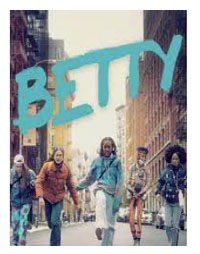
Betty
Synopsis
Betty follows a diverse, fiercely independent group of young women navigating the male-dominated, fast-paced skateboard culture of New York City. Set against the sun-drenched backdrop of skateparks, concrete streets, and rooftop hangouts across Manhattan and Brooklyn, the friends strive to carve out space for themselves in a subculture that often treats them as outsiders. Through failed kickflips, dating misadventures, economic struggles, and everyday adolescent chaos, they support each other with unwavering sisterhood and fierce loyalty.
The Making of the Film
Created by Crystal Moselle, the television series was spun off from her critically acclaimed 2018 documentary Skate Kitchen, retaining the same real-life skaters to star in fictionalized versions of themselves. The inspiration stemmed from wanting to portray authentic female skate culture in New York City with absolute realism. The production utilized authentic Manhattan and Brooklyn skate spots, natural lighting, and improvised dialogue.
Critical Reception
Critics universally praised Betty for its effortless coolness, authentic skateboard culture representation, and refreshing, naturalistic performances by the young female ensemble. Reviewers highlighted the series' vibrant visual style, capturing the sun-drenched poetry of New York City street life without preachy clichés. It achieved cult prestige status.
Audiences embraced the show as a joyful, stylish celebration of female friendship and street culture.
The series earned recognition across television critics' lists for its groundbreaking direction and authentic cultural portrayal.
Behind-the-Scenes Stories
Crystal Moselle drew heavy inspiration from the real-life friendships and skate sessions of the cast members.
Shooting across busy New York City streets required agile camera crews following the skaters on boards.
During production, the cast improvised much of their dialogue to ensure authentic adolescent banter.
Casting real-life skaters like Rachelle Vinberg and Nina Moran brought unmatched authenticity to the youth drama.
Themes Explored
The series explores female skateboard culture, New York street life, intersectional feminism, teenage friendship, autonomy, and urban youth.
Ending Explained
(Episodic television structure resolving seasonal skate sessions, personal growth, and evolving sisterhood bonds).
Meaning of the Title
Reference to the skateboarding slang term Betty, historically used by male skaters to describe novice girlfriends, reclaimed by the women as a badge of honor.
Similar series include Skins, Euphoria, We Are Who We Are, and High Maintenance.