

 Français
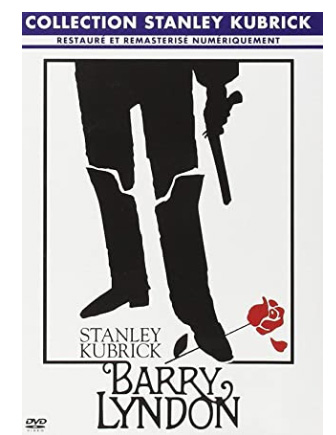
Barry Lyndon
Synopsis
Set in 18th-century Europe, the film chronicles the turbulent, opportunistic rise and fall of Redmond Barry, a charming young Irish adventurer. Following a duel and a forced exile from his homeland, Barry enlists in the British Army, fights in the Seven Years' War, deserts to join the Prussian army, and eventually reinvents himself as an aristocratic gambler and con man in high-society London. He successfully seduces and marries the wealthy, unhappy Countess of Lyndon, securing immense wealth and status. However, his arrogance, cruelty toward his stepson, and inability to navigate elite aristocracy lead to his tragic financial and social ruin.
The Making of the Film
Director Stanley Kubrick adapted the historical drama from William Makepeace Thackeray's 1844 novel 'The Luck of Barry Lyndon'. Obsessed with historical authenticity, Kubrick spent years researching 18th-century art, architecture, clothing, and military tactics to recreate the period with absolute precision. Rather than using artificial studio lighting, Kubrick pioneered cinematic history by utilizing ultra-fast NASA-developed Zeiss camera lenses to shoot entire candlelit interior scenes using only natural candle illumination. The production aimed to submerge audiences directly into the paintings of the Enlightenment era.
Critical Reception and Reviews
Professional Critic Reviews
Critics offered initially mixed-to-cool reviews upon release, praising the film's staggering visual beauty, painterly cinematography, and technical mastery, but criticizing its glacial pacing, detached irony, and lack of emotional warmth. Over the subsequent decades, critical reappraisal was universally monumental, with modern film critics hailing 'Barry Lyndon' as one of the greatest visual masterpieces in cinema history. The immaculate framing and satirical narration earned legendary status.
Public Reception
Audiences in 1975 responded with lukewarm enthusiasm, finding the three-hour period drama too slow, cold, and emotionally distant for mainstream tastes. Box-office returns in North America were modest. However, it gradually achieved an exalted status among cinephiles and art-house audiences worldwide.
Awards and Honors
'Barry Lyndon' won four Academy Awards: Best Cinematography (John Alcott), Best Art Direction, Best Costume Design, and Best Original Score (adaptations). Stanley Kubrick earned Oscar nominations for Best Director, Best Picture, and Best Adapted Screenplay.
Filming Anecdotes
Director's Inspirations
Stanley Kubrick drew deep inspiration from 18th-century landscape and portrait paintings by artists like Thomas Gainsborough, William Hogarth, and Joshua Reynolds, composing almost every frame to mimic classical art. He wanted the visual tone to be detached, ironic, and visually stunning. The voiceover narration was utilized to deliberately undermine conventional dramatic identification with the protagonist.
Production Difficulties
Shooting extensive candlelit interior scenes required Kubrick to acquire rare, high-speed NASA lenses originally designed for space photography, forcing technicians to modify cameras specifically for the task. Ryan O'Neal and Marisa Berenson endured grueling, repetitive shooting schedules to achieve Kubrick's demand for absolute perfection in every frame. Managing massive historical costume and location logistics across Ireland and England demanded immense precision.
Particular Scene Anecdote
The tense, silent dueling sequences were filmed over multiple days with meticulous attention to historical dueling etiquette, capturing the rigid coldness of 18th-century aristocracy. Ryan O'Neal practiced his aristocratic posture and Irish brogue for months. The harrowing final duel scene between Barry and his stepson Lord Bullingdon remains a masterclass in cinematic tension.
Initial Casting Choices
Ryan O'Neal was cast as Redmond Barry, bringing a handsome, blank canvas demeanor that fit Kubrick's directorial vision of a passive opportunist. Marisa Berenson was selected to play the tragic Lady Lyndon. Supporting roles were filled with British classical stage actors who maintained rigid 18th-century etiquette.
Themes Explored
The film explores class mobility, ambition, vanity, greed, and the inescapable determinism of fate. It examines the hypocrisy, artificiality, and cold brutality of 18th-century European aristocracy. Another core theme is the transience of human fortune and social status. Ultimately, it is a grand, ironic tragedy about a man who gains the world yet loses everything.
The narrative concludes with Barry losing his right leg in a brutal duel against his hateful stepson, Lord Bullingdon, and being banished from England forever under a small lifetime annuity, returning to poverty on the European continent with his grieving mother. Lady Lyndon lives out her days in lonely isolation, while Bullingdon inherits the estate. A brief epilogue notes that all the powerful personages depicted have since passed away, leveling rich and poor alike in death. It signifies the cold, inevitable leveling hand of fate.
Meaning of the Title
The title 'Barry Lyndon' reflects the protagonist's opportunistic adoption of his aristocratic wife's surname to cement his purchased social status, symbolizing his entire life of fraudulent reinvention. It highlights the theme of artificial identity. The stately title establishes the epic historical drama tone.
Original Soundtrack
Leonard Rosenman won an Academy Award for adapting traditional 18th-century classical music, featuring sublime pieces by Handel, Schubert, and Vivaldi that elevate the painterly historical atmosphere.
["Amadeus", "The Duellists", "Marie Antoinette"]