

 Français
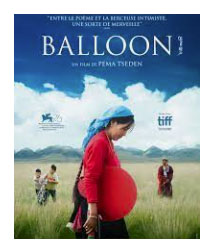
Balloon
Synopsis
In a remote Tibetan village, a family of shepherds lives according to ancient traditions. When the father's wife unexpectedly becomes pregnant, the family is forced to confront the realities of the one-child policy and their own beliefs. Meanwhile, the children discover balloons in an unexpected place and play with them innocently. Quiet and deeply human, the film follows the family as they try to reconcile tradition, faith and the changing world.
The Making of the Film
Balloon is a Tibetan-language drama written and directed by Pema Tseden, one of the leading figures of Tibetan cinema. Pema Tseden was known for telling intimate stories about everyday life in Tibet, often using non-professional actors and long takes. The film explores the tension between traditional Tibetan beliefs, such as reincarnation, and modern government policies. It premiered at the Venice Film Festival in 2019 and received wide festival exposure. The cinematography emphasizes the vast landscapes of the Tibetan plateau. Pema Tseden wrote the story as a gentle but pointed reflection on family, faith and change. The film is notable for its restraint and its poetic visual style.
Critical Reception
Critics admired the film's subtle storytelling, visual beauty and sensitivity. Many praised its ability to address sensitive subjects with quiet humor and compassion. Some viewers found the slow pace demanding, but most agreed that it rewarded patience. It was widely seen as a significant work of Tibetan-language cinema.
Audiences at festivals were deeply moved by the film's gentle tone and rich sense of place. It found a devoted following among fans of world cinema. Its commercial release was limited, but it gained recognition through festival screenings and streaming.
The film received awards and nominations at film festivals, including recognition for its writing and direction. It helped cement Pema Tseden's reputation as one of the most important voices in Chinese-language independent cinema.
Themes Explored
The film explores the clash between tradition and modernity, and between faith and state policy. It reflects on motherhood, family and the cycle of birth and death. It also uses simple symbols, such as balloons, to reflect on innocence and desire. Underneath its calm surface lies a deeply moving meditation on human choices.
Meaning of the Title
The balloon of the title is a quiet and ambiguous symbol. For the children, it is a toy, while for the adults it represents something much more complex. It floats between innocence and responsibility, much like the family in the story. The image also suggests the fragility of life and of the choices people make.
Similar Films
Jiang Hu and the films of Zhang Yimou offer other looks at rural life in China. Kekexili: Mountain Patrol is another film set on the Tibetan plateau. Yi Yi and A Brighter Summer Day share a similarly patient, humane style. The Cave of the Yellow Dog is a gentle, observational film about a nomadic family.