

 Français
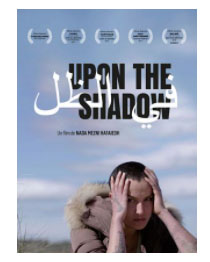
Upon the Shadow
Synopsis
Set in contemporary Tunisia, an intimate and groundbreaking documentary film follows the courageous daily life of Amina Sboui, a fierce young Tunisian feminist activist, writer, and former Femen activist who gained international notoriety for her anti-patriarchal activism. Living in a vibrant yet deeply conservative Tunisian society following the Arab Spring, Amina navigates queer identity, artistic expression, threats of violence, and the fierce cultural pushback against progressive youth movements in North Africa. Surrounded by supportive bohemian artist friends, she fights for bodily autonomy and freedom of expression. The Tunisian documentary delivers vibrant artistic resistance and raw documentary courage.
The Making of the Film
Director and producer Nada Mezni Hafaiedh developed the groundbreaking documentary feature film, capturing intimate vérité footage of Amina Sboui and her queer artist friends over several years in Tunisia. The inspiration stemmed from documenting the fragile, courageous vanguard of youth counterculture and LGBTQ+ activism in post-revolution North Africa. The production team invested heavily in intimate underground apartment shoots, art studios, and street-level documentary coverage. The script was organically structured around daily activist milestones.
Critical Reception
Professional critics widely acclaimed the documentary for its immense political courage, intimate vérité cinematography, and inspiring portrait of North African youth counterculture. Reviewers lauded Hafaiedh for presenting an unprecedented, humanizing glimpse of queer life and feminist resistance in a Muslim-majority society. Public reception was warmly enthusiastic across international human rights and documentary film festivals, winning multiple jury awards worldwide. The film earned widespread praise for its historic cultural documentation.
Behind-the-Scenes Stories
Director Nada Mezni Hafaiedh drew visual inspiration from direct cinema documentary traditions, underground art installations, and Tunisian street photography. Production took place on location across secret apartments, bohemian art studios, and streets in Tunis, capturing authentic countercultural spaces. During the filming of intimate discussions and activist meetings, Amina Sboui and her friends welcomed the camera with remarkable openness and bravery. The production maintained strict security protocols.
Themes Explored
The themes explored include post-revolution Tunisian youth activism, queer identity in North Africa, feminist resistance, bodily autonomy, and artistic freedom.
Ending Explained Ending Explained The triumphant documentary conclusion shows Amina and her friends celebrating their artistic freedom and community solidarity, shining a beacon of hope for future generations.
Meaning of the TitleMeaning of the Title The original Arabic title La belle at the trace and French release Aussi loin que monte l'ombre (Upon the Shadow) refer metaphorically to stepping out from under oppressive cultural shadows.
Similar Films Welcome to Chechnya, Crip Camp, Fire