

 Français
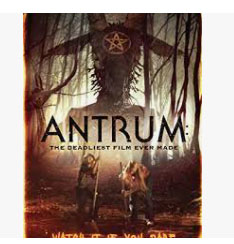
Antrum
Synopsis
This terrifying, highly unconventional meta-horror film purports to be a cursed, lost 1970s feature film that has been restored and framed by documentary interviews explaining its sinister history. The main narrative follows young Bertie and his older sister Wanda who, grieving the sudden death of their beloved pet dog and worried that their dog went to Hell, venture deep into a cursed local forest known as Antrum to dig a literal hole to Hell and rescue their pet's soul. Armed with a grimoire of black magic, the children perform dark rituals in the woods, only to encounter increasingly genuine demonic manifestations, cannibalistic hermits, and psychological terror. It is a brilliant, deeply unsettling mockumentary horror experiment.
The Making of the Film
The project originated from writer-directors David Amito and Michael Laicini's ambition to craft an immersive, faux-cursed found-footage horror experiment that mimicked legendary urban legends about dangerous, forbidden media like 'The Ring'. Amito and Laicini sought to blend 1970s European folk-horror aesthetics with subliminal occult imagery and documentary framing to convince viewers they were watching a genuinely hazardous artifact. Inspiration was drawn from classic 1970s occult horror, satanic panic myths, and meta-cinematic storytelling. The creative team aimed to produce an uncompromised horror novelty.
Critical Reception
Critics offered mixed reviews, praising the film's chilling 1970s retro aesthetic, eerie forest atmosphere, and highly original meta-cursed framing device while critiquing its slow pacing and low-budget constraints. Reviewers noted that Amito and Laicini successfully created a genuinely unsettling creepypasta vibe that played on viewer anxieties through subliminal visual flashes and ominous sound design. The creepy forest ritual scenes received universal applause from horror buffs. Despite a quiet independent release, it achieved massive viral notoriety online.
Audience reception was enthusiastic among horror fans and internet sleuths, driving strong digital streaming popularity on platforms like Prime Video and Shudder. Viewers on public platforms praised the spooky faux-documentary warnings, occult symbols hidden in frames, and creepy woodland atmosphere. Fans of indie horror celebrated its unique meta-cinematic gimmick. Word-of-mouth sustained strong cult popularity.
Awards season brought no major mainstream nominations, though the film received recognition at independent horror showcases for its marketing gimmick and retro sound design. Critics' associations acknowledged the atmospheric 1970s cinematography. While it did not alter the landscape of cinema, it maintained a passionate cult fan base among horror nerds.
Behind-the-Scenes Stories
The directors drew visual inspiration from vintage 1970s European folk horror films, grainy 16mm archival footage, and occult grimoire illustrations to establish a convincing retro aesthetic. Every frame of the "cursed" 1970s movie was digitally degraded and layered with subtle, subliminal demonic sigils and flashes that viewers could barely spot consciously. The production team collaborated with occult researchers to ensure that fictional rituals mimicked genuine folklore tropes. These artistic choices created an immersive, creepy artifact world.
Production presented fascinating logistical and technical hurdles, requiring directors David Amito and Michael Laicini to shoot on location in dense Canadian forests while maintaining strict period-accurate camera lenses and color grading. Child actors Nicole Tompkins and Rowan Smyth performed their harrowing woodland scenes with impressive emotional maturity. Furthermore, maintaining strict secrecy around the film's fake cursed marketing campaign demanded obsessive social media coordination.
During the filming of the intense forest ritual sequences, the young actors executed their spooky magical incantations amidst fog machines with total professional commitment. To maintain authentic tension, Amito and Laicini utilized slow, creeping camera movements. The crew utilized muted, grainy lighting. This rigorous dedication resulted in standout horror moments.
Casting was anchored by securing talented young actors Nicole Tompkins and Rowan Smyth as the grieving siblings, alongside documentary framing actors. This targeted casting strategy drove initial viral visibility.
Themes Explored
The narrative deeply explores themes of grief over pets, satanic panic, and the power of suggestion in horror media. It examines childhood trauma, occult folklore, and the terror of the unknown dark woods. Additionally, it highlights meta-cinematic curses, sibling protection, and facing inner fears. Ultimately, the film reflects on sorrow, belief, and the terrifying stories we tell ourselves.
Ending Explained
The meta-narrative concludes with the documentary framing device abruptly cutting to black amid eerie subliminal warnings, leaving viewers with the chilling implication that watching the cursed film has now transferred the demonic affliction onto them. In the final horrifying frame, occult symbols flash on screen before the projector shuts off. The chilling conclusion underscores interactive horror engagement.
Meaning of the Title
The title ("Antrum") refers to a Latin term meaning cave or cavity, symbolizing the descent into the underworld and the literal hole to Hell dug by the children.
Similar Films
Films sharing similar meta-horror, faux-cursed media, and occult woodland themes include The Blair Witch Project (1999), Session 9 (2001), and Gonjiam: Haunted Asylum (2018).