

 Français
Analyze This
Synopsis
Paul Vitti is a powerful New York mob boss who begins suffering from anxiety attacks that threaten his authority and personal stability. Desperate to understand what is happening to him, he seeks help from Ben Sobel, a psychiatrist with his own professional and family problems. Their relationship becomes increasingly complicated when Vitti demands immediate psychological assistance and begins interfering with Ben’s private life. The psychiatrist must navigate the dangerous world of organized crime while attempting to help his unusual patient. Their unlikely friendship creates a series of comic situations involving therapy, criminal loyalty and emotional vulnerability.
The The Making of the Film
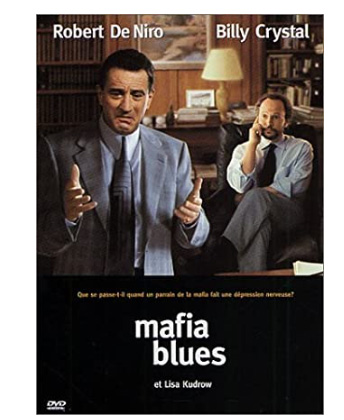
Analyze This was developed from an original comic concept combining two very different worlds: psychotherapy and organized crime. Screenwriters Kenneth Lonergan and Peter Tolan helped develop the story around the idea of a powerful gangster who cannot control his own anxiety. Harold Ramis became involved as director and contributed to shaping the screenplay. The project offered an opportunity to reverse the familiar image of the psychologically invulnerable mob boss. Robert De Niro was cast as Paul Vitti, allowing the film to play with his established screen association with serious gangster roles. Billy Crystal was selected to play the psychiatrist, creating a comic contrast between two very different personalities. Lisa Kudrow joined the cast as Laura, adding another dimension to the personal complications surrounding Ben. The production was developed by Jane Rosenthal and Paula Weinstein, with Tribeca Productions among the companies involved. Its central idea was to explore emotional vulnerability through the conventions of the gangster film. The result is a comedy that combines character-driven humor with affectionate references to classic American crime cinema.
Critical Reception
Professional critics generally responded positively to the chemistry between Robert De Niro and Billy Crystal. Their contrasting comic styles provide the film with much of its entertainment value. De Niro successfully parodies the tough gangster characters associated with his earlier career, while Crystal brings nervous energy and rapid dialogue to the psychiatrist. Harold Ramis maintains a balance between comedy and character development. Some critics nevertheless found that the screenplay relies too heavily on familiar gangster movie conventions.
The film was a substantial commercial success and attracted a wide international audience. Its unusual premise appealed to viewers interested in both comedy and crime stories. The performances of De Niro and Crystal were particularly appreciated. The film also benefited from its accessible humor and recognizable supporting cast. Its popularity led to a sequel, Analyze That, released in 2002.
Analyze This received several industry nominations and awards. It was nominated for Golden Globe recognition in the comedy or musical categories, including a nomination for Robert De Niro. The film also received an American Comedy Award for Funniest Motion Picture. Howard Shore received recognition for the music through the ASCAP Film and Television Music Awards. These distinctions helped confirm the film’s success as a mainstream comedy.
Filming Anecdotes
Harold Ramis was particularly interested in the contrast between the gangster genre and psychological therapy. The screenplay offered a way to turn familiar crime movie situations into comic scenes. Robert De Niro’s casting was central to this concept because audiences immediately associated him with iconic mobster characters. His performance deliberately plays with that image while allowing the character to reveal unexpected emotional weaknesses.
The production brought together performers with very different comic backgrounds. Billy Crystal was known for his improvisational abilities and rapid dialogue, while De Niro approached his role with a more restrained comic style. Their contrasting approaches created much of the film’s humor. Lisa Kudrow also contributed to the story through her portrayal of Ben’s fiancée.
One of the most memorable aspects of the film is the reversal of the traditional gangster stereotype. Instead of controlling every situation, Paul Vitti is frequently overwhelmed by his own emotions. His attempts to behave like a conventional therapy patient create comic situations that depend on the contrast between his public reputation and private vulnerability.
The production was supported by Tribeca Productions, the company co-founded by Jane Rosenthal and Robert De Niro. The project also reunited De Niro with a style of storytelling that had made him famous, but approached it through comedy rather than dramatic crime cinema.
Themes Explored
The relationship between emotional vulnerability and masculine identity is central to Analyze This. Paul Vitti has built his authority around an image of absolute control, yet anxiety reveals how fragile that image can be. The film explores the difficulty of acknowledging psychological problems in environments where weakness is considered dangerous. Therapy becomes a humorous way of examining fear, insecurity and personal responsibility. The relationship between Ben and Paul also challenges the boundaries between professional duty and personal involvement. Trust develops between two men who initially have very little in common. Family relationships and romantic commitments provide a contrast to the criminal world. The film also satirizes the mythology of organized crime by revealing the ordinary emotional problems hidden behind its intimidating image. Friendship and communication gradually become more important than status and intimidation. Ultimately, the story suggests that even the most powerful individuals may need help understanding themselves.
Explanation of the Ending
The conclusion brings Paul and Ben to a point where their unusual relationship has become more than a simple professional arrangement. Paul gradually recognizes that his emotional difficulties cannot be solved through intimidation or the exercise of power. Ben, meanwhile, has learned to confront the complicated reality of his patient’s world. Their friendship develops despite the obvious dangers and contradictions surrounding it. The resolution also allows the personal relationships in Ben’s life to regain importance. Paul does not suddenly become an ordinary citizen, but he demonstrates a greater willingness to acknowledge his vulnerability. The ending reinforces the film’s central comic idea that even a powerful gangster can benefit from therapy. Their relationship remains unconventional, leaving room for further adventures.
The Meaning of the Title
The title Analyze This is a direct reference to psychological analysis and the process of examining thoughts, emotions and behavior. It also works as a humorous challenge because Paul Vitti is an unusually difficult patient. The word analyze suggests the psychiatrist’s professional task, while this emphasizes the immediate and demanding nature of the gangster’s requests. The title captures the film’s combination of psychotherapy and crime comedy. It also reflects the central question of whether even a feared mob boss can be understood through conventional psychological methods.
Original Soundtrack
Howard Shore composed the original score for Analyze This. His music supports the film’s combination of gangster atmosphere and comedy. Shore uses musical elements associated with crime cinema while adapting them to the lighter tone of the story. The soundtrack helps maintain the connection with classic mob movies without overwhelming the comic performances. Its contribution is particularly important in scenes where the film shifts between tension and humor.
Similar films include Analyze That, The Sopranos, Mickey Blue Eyes, Get Shorty, The Freshman and My Blue Heaven. These productions combine organized crime, comedy and characters whose criminal reputations contrast with their personal weaknesses.