

 Français
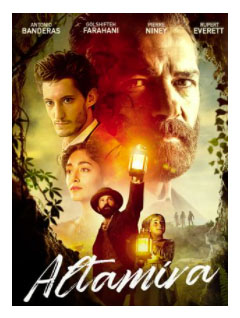
Finding Altamira
Synopsis
Set in 1879 northern Spain, an amateur archaeologist and passionate local excavator named Marcelino Sanz de Sautuola makes a breathtaking, world-changing historical discovery while exploring a cave on his property: prehistoric ceiling paintings created by Stone Age humans depicting magnificent polychrome bison. Excited by the find, he invites a renowned university scientist to verify the cave paintings, hoping to revolutionize archaeological understanding of early human intelligence. However, his historic discovery is met with furious skepticism, religious condemnation from conservative clergy who claim the art insults biblical creationism, and accusations of forgery by the scientific establishment. The historical drama captures scientific persecution and prehistoric beauty.
The Making of the Film
Director Hugh Hudson developed the historical biographical drama, drawing inspiration from the real-life historical tragedy of Marcelino Sanz de Sautuola and the discovery of the Altamira cave paintings in Cantabria, Spain. The inspiration stemmed from highlighting how conservative dogma and institutional arrogance frequently persecute scientific truth and groundbreaking visionaries. The production team invested heavily in authentic cave location shoots in northern Spain and meticulous period costume design. The script was meticulously structured to balance historical tragedy with inspiring artistic triumph.
Critical Reception
Professional critics gave mixed reviews, praising the film's stunning cinematography of northern Spain, gorgeous recreation of prehistoric artwork, and Antonio Banderas's passionate lead performance, while criticizing its conventional biopic pacing. Reviewers noted that Banderas brought immense emotional sincerity to his portrayal of the persecuted archaeologist. Public reception was warmly enthusiastic, earning appreciation for bringing a fascinating piece of Spanish history to international audiences. The film earned domestic Goya Award recognition for its production values.
Behind-the-Scenes Stories
Director Hugh Hudson drew visual inspiration from prehistoric cave art, 19th-century Spanish landscape painting, and classical historical cinema. Production took place on location across Cantabria, Spain, utilizing actual historic caves and rural countryside estates. During the filming of intense scientific debate and cave exploration sequences, Antonio Banderas maintained fiery dramatic dedication. The production team worked closely with historical consultants and cave preservation experts.
Themes Explored
The themes explored include scientific discovery versus religious dogma, institutional stubbornness, archaeological vindication, family support, and prehistoric art appreciation.
Ending Explained Ending Explained The bittersweet historical conclusion notes that Sautuola died in disgrace years before science finally proved his discovery authentic, leading to posthumous global vindication.
Meaning of the TitleMeaning of the Title The Spanish title Altamira and English release title refer directly to the famous Cantabrian cave containing the prehistoric paintings.
Original Soundtrack Mark Knopfler and Evelyn Glennie composed an extraordinary, atmospheric orchestral score featuring Celtic-inspired acoustic guitar melodies that anchored the historical drama.
Similar Films The Dig, Agora, Creation