

 Français
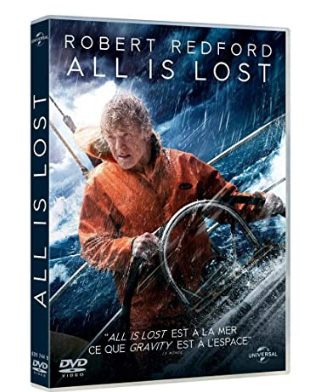
All Is Lost
Synopsis
All Is Lost is a gripping, minimalist survival drama written and directed by J.C. Chandor. The story is a relentless, nearly wordless character study featuring only one actor, Robert Redford, as an unnamed, experienced sailor cruising solo in the Indian Ocean. His peaceful solo yacht trip is shattered when his boat collides with a stray shipping container floating offshore, tearing a hole in the hull and flooding the cabin. Cut off from radio communication with failing navigation equipment, the sailor must battle fierce storms, equipment failures, and dwindling supplies to stay alive. The film offers a powerful meditation on human resilience against nature.
The Making of the Film
Writer-director J.C. Chandor conceived the ambitious, minimalist survival project following his acclaimed financial drama 'Margin Call', wanting to craft a purely visual story without traditional dialogue or exposition. Chandor sought to test human endurance and problem-solving against the indifferent brutality of the open ocean. Legendary actor Robert Redford enthusiastically signed on to perform almost all of his own demanding water stunts at age seventy-six. The production utilized massive water tanks in Mexico and specialized open-water marine camera rigs.
Critical Reception
Professional critics greeted the film with widespread critical acclaim, praising its breathtaking minimalism, tense nautical problem-solving, and Robert Redford's towering, wordless lead performance. Reviewers lauded J.C. Chandor's confident direction for stripping away all backstory and dialogue, allowing pure action and survival mechanics to carry the narrative emotional weight. Critics commended Redford for conveying profound exhaustion, determination, and grace with barely a spoken word. It was hailed as a modern masterwork of survival cinema.
Audiences experienced intense nail-biting suspense and emotional resonance, appreciating the authentic sailing details and Redford's remarkable physical commitment. Viewers looking for a quiet, contemplative alternative to blockbuster action found it mesmerizing and profound. Word-of-mouth sustained its reputation as a brilliant cinematic achievement.
The film earned numerous prestigious accolades, including a Golden Globe nomination for Best Actor for Robert Redford and recognition from numerous national film critic associations.
Behind-the-Scenes Stories
Director J.C. Chandor drew inspiration from classic maritime survival literature, solo sailing voyages, and a desire to challenge conventional cinematic storytelling through pure action. Filming inside giant open-air water tanks in Baja California required Robert Redford to spend hours submerged in turbulent saltwater and simulated storms. During the filming of the intense yacht-flooding sequences, stunt coordinators worked closely with Redford to ensure realistic physical safety. Before Robert Redford was locked in, Chandor tailored the demanding role specifically with him in mind.
Themes Explored
Survival, Solo Sailing, Nature, Resilience, Isolation, Humanity
Ending Explained
The ambiguous and poetic climax shows the sailor reaching upward toward a faint light through the dark water after abandoning his sinking raft, symbolizing possible rescue or peaceful surrender.
Meaning of the Title
The title quotes the opening line of the sailor's handwritten log entry, signaling the total abandonment of hope and absolute isolation in the middle of the ocean.
Original Soundtrack
Alex Ebert composed a haunting, acoustic-driven orchestral score featuring melancholic folk melodies that perfectly captured the loneliness and beauty of the sea.
Life of Pi, Cast Away, The Perfect Storm, Kon-Tiki